News
HOME > News

What Is Low Voltage Switchgear and Why Is It Essential for Modern Power Distribution?

2025-12-02 0 Leave me a message

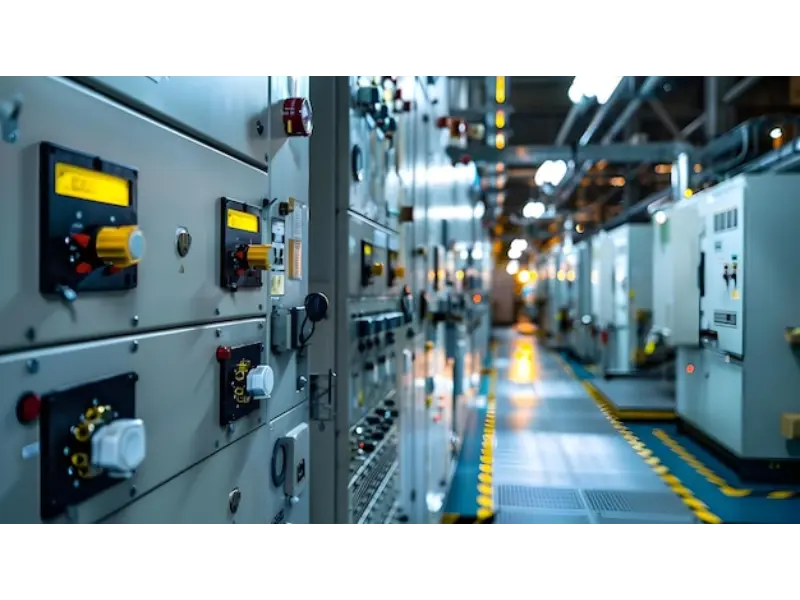
Low voltage switchgear is one of the most critical components in modern electrical distribution systems. It controls, protects, and isolates electrical equipment operating below 1000 volts, ensuring safe and efficient distribution of power in industrial plants, commercial buildings, and infrastructure projects.

This article explores the definition, components, functions, advantages, and applications of low voltage switchgear. It also explains how to select the right switchgear for industrial projects, and why global buyers rely on manufacturers like Comewill for customized solutions.

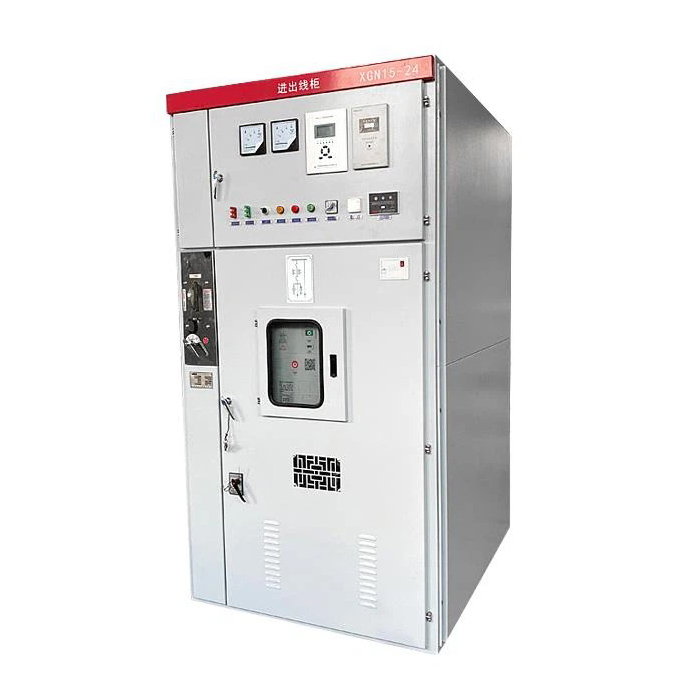
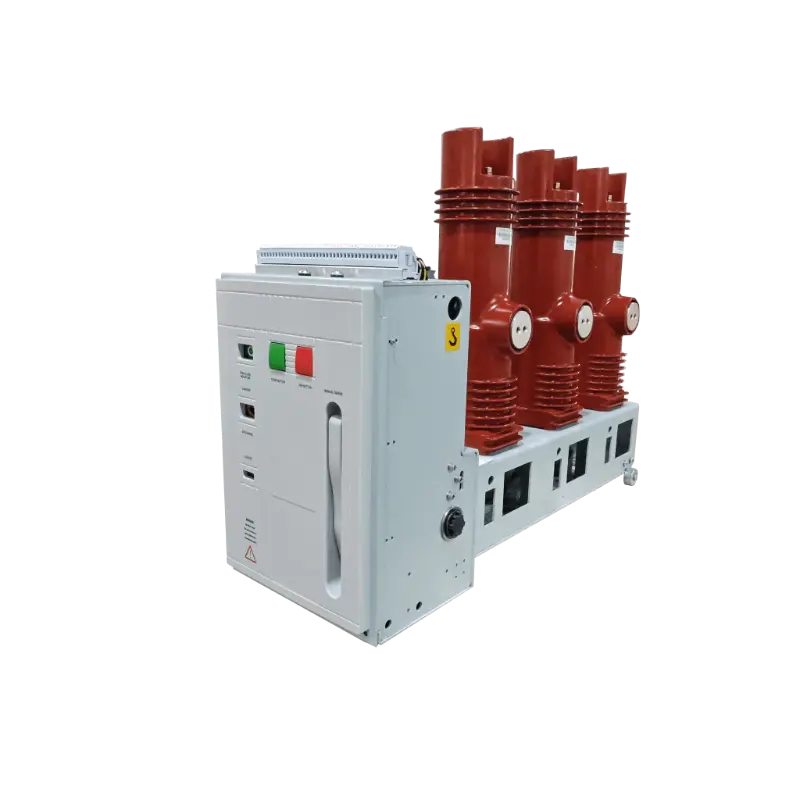
Low voltage switchgear

Table of Contents

Introduction to Low Voltage Switchgear

What Is Low Voltage Switchgear?

Core Components and Functions of Low Voltage Switchgear

Why Low Voltage Switchgear Is Essential for Electrical Safety

Applications Across Industries

How to Choose the Right Low Voltage Switchgear

Benefits of High-Quality Switchgear

Maintenance and Best Practices

Frequently Asked Questions (FAQ)

Conclusion

1. Introduction

Modern electrical systems require reliable control, protection, and stable power distribution. From industrial plants to commercial buildings, electrical equipment must be safeguarded against overloads, short circuits, and electrical faults.

Low voltage switchgear acts as the central control hub, ensuring safe electricity flow and fast fault isolation. Manufacturers like Comewill provide advanced switchgear solutions combining protection, monitoring, and operational control for large-scale projects.

2. What Is Low Voltage Switchgear?

Low voltage switchgear refers to electrical equipment designed to control, protect, and isolate circuits operating at voltages below 1000V AC. It is essential in industrial, commercial, and infrastructure power systems.

Key Role: Acts as the first line of defense against electrical faults and equipment damage.

3. Core Components and Functions of Low Voltage Switchgear

Instead of multiple separate tables, here’s a single comprehensive table that combines the main components, functions, and applications of low voltage switchgear:

Component / Function Purpose Application / Benefit
Circuit Breakers Interrupt overloads or short circuits Protects motors, pumps, and other electrical equipment
Busbars Distribute electrical power between circuits Ensures stable power flow in industrial/commercial systems
Contactors Control power to equipment Efficient operation of motors, compressors, and lighting
Protective Relays Detect abnormal electrical conditions Fast fault detection and isolation, reduces downtime
Switch Disconnectors Safely isolate circuits for maintenance Protects technicians during repairs, ensures compliance
Control Panels Provide operational interface and monitoring Simplifies operation, allows emergency shutdowns and load control
Electrical Protection Overload, short-circuit, insulation, over/under-voltage Prevents equipment damage and electrical accidents
Isolation & Maintenance Disconnect faulty or maintenance circuits Improves worker safety, reduces downtime
Load Management Balances electrical load Extends equipment lifespan and increases efficiency
Monitoring & Smart Control Real-time voltage/current tracking and remote operation Enables predictive maintenance and smarter operations

4. Why Low Voltage Switchgear Is Essential for Electrical Safety

Low voltage switchgear ensures safety by:

Preventing electrical fires from short circuits and overloads

Protecting expensive equipment like motors and transformers

Reducing operational downtime by fast fault isolation

Safeguarding workers with safe isolation features

Manufacturers like Comewill design switchgear to meet global safety standards, providing reliable protection for large-scale projects.

5. Applications Across Industries

Low voltage switchgear is used widely:

Industrial: Manufacturing plants, chemical facilities, mining

Commercial: Office buildings, shopping malls, hospitals, data centers

Infrastructure: Airports, railways, water treatment plants, power stations

Renewable Energy: Solar farms, wind farms, battery storage systems

6. How to Choose the Right Low Voltage Switchgear

Factors to consider:

Rated Voltage: Must match system voltage

Current Capacity: Handles peak loads

Protection Level: Fault handling ability

Environmental Conditions: Dust, temperature, humidity

System Expandability: Future upgrades

Certification: IEC or international compliance

Choosing a manufacturer like Comewill ensures customizable solutions with global certification.

7. Benefits of High-Quality Switchgear

Reliable system performance

Enhanced operational safety

Reduced maintenance costs

Extended equipment lifespan

Energy efficiency improvements

8. Maintenance and Best Practices

Recommended maintenance activities:

Visual inspection

Cleaning dust and debris

Checking circuit breakers

Testing protective relays

Monitoring thermal conditions

9. Frequently Asked Questions (FAQ)

Q1: What voltage is considered low voltage switchgear?

A: Below 1000V AC.

Q2: What is its main purpose?

A: To control, protect, and isolate electrical circuits.

Q3: Where is it used?

A: Industrial plants, commercial buildings, and infrastructure projects.

Q4: How long does it last?

A: With proper maintenance, 20–30 years.

Q5: Why choose a professional manufacturer?

A: Manufacturers like Comewill provide customized, certified, and reliable solutions for bulk orders.

10. Conclusion

Low voltage switchgear is vital for modern electrical systems, offering safety, reliability, and operational efficiency.

For industrial, commercial, and infrastructure projects, investing in high-quality switchgear from Comewill ensures protection, control, and monitoring tailored to your needs.

Looking for reliable low voltage switchgear for your project? Contact us today to explore customized solutions from Comewill!


Related News
Leave me a message
X
We use cookies to offer you a better browsing experience, analyze site traffic and personalize content. By using this site, you agree to our use of cookies. Privacy Policy
Reject Accept