News
HOME > News

Which Circuit Breaker Technology Delivers Better Reliability and Lower Environmental Impact?

2026-07-17 0 Leave me a message

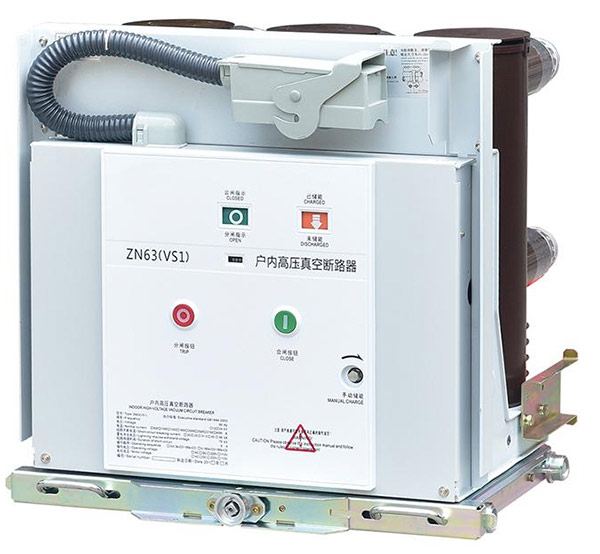
Vacuum Circuit Breaker (VCB), a critical device in modern medium-voltage power distribution. We explore the fundamental physics of arc extinction in a vacuum, dissect the core components—from the vacuum interrupter to the operating mechanism—and present a detailed, practical comparison with SF₆ technology. The article also outlines key application areas, selection criteria, and maintenance best practices, all grounded in industry engineering principles. As a professional China-based manufacturer and supplier, Comewill delivers high-quality, customizable VCB solutions that combine reliability, longevity, and environmental responsibility for industrial, commercial, and utility projects worldwide.

 Vacuum Circuit Breaker


Table of Contents


1. Introduction: The Role of VCB in Power Systems

The Vacuum Circuit Breaker (VCB) has become a cornerstone of reliable medium-voltage power distribution, serving as the primary protective device in substations, industrial plants, and commercial facilities. Unlike older technologies that rely on oil, air, or SF₆ gas, the VCB uses a high-vacuum environment to extinguish the arc that forms when contacts separate during a fault. This method offers distinct advantages in switching speed, operational reliability, and environmental safety, making it the preferred choice for applications from 3 kV up to 36 kV.

Modern electrical infrastructure demands equipment that not only performs under stress but also requires minimal intervention over decades of service. VCBs meet this challenge through their sealed-for-life interrupters and robust mechanical designs, which significantly reduce maintenance intervals compared to other breaker types. Comewill, as an experienced China manufacturer, specializes in producing VCBs that are engineered to deliver consistent performance across a wide range of operating conditions, from tropical humidity to industrial dust-laden environments.

This article offers an original technical perspective on VCB technology, focusing on the engineering principles that govern its operation, the critical components that ensure its longevity, and the practical factors engineers must consider when selecting and specifying these devices for new or retrofit projects.


2. Working Principle – Arc Quenching in Vacuum

At the core of every VCB lies a fundamental physical principle: the inability of an electrical arc to sustain itself in a high vacuum. When the breaker’s contacts part under fault conditions, the current tries to maintain a path through ionized metal vapor. However, because the interrupter is evacuated to a pressure below 10⁻⁴ Pa, the mean free path of molecules is extremely long, and the available particles for ionization are scarce.

The arc that does form exists almost entirely as a plasma of metallic vapor from the contact surfaces. As the current naturally passes through zero in the AC cycle, this vapor condenses almost instantaneously onto the cooler contact faces and surrounding arc shields. This rapid condensation—known as dielectric recovery—prevents the arc from restriking, effectively clearing the fault within a half-cycle. The entire process is clean, silent, and produces minimal contact erosion, contributing to the VCB's high electrical endurance, often exceeding 5,000 full-load operations.

Importantly, the vacuum interrupter’s design ensures that the arc remains concentrated and diffuse, avoiding hot spots that could damage the ceramic envelope. The use of specific contact geometries, such as axial or radial magnetic field contacts, further controls arc movement and ensures even wear, thereby extending the functional life of the interrupter. This principle of arc extinction is what makes VCBs exceptionally suitable for frequent switching duties, such as motor starting or capacitor bank switching, where other technologies would degrade more quickly.


3. VCB vs. SF6 Circuit Breaker: A Technical Comparison

For medium-voltage applications, the choice between vacuum and SF₆ technology is a common engineering decision. Both are mature technologies, but their characteristics align differently with project priorities. The table below provides an original, detailed comparison based on operational and environmental factors, without relying on external vendor data.

Parameter Vacuum Circuit Breaker (VCB) SF6 Circuit Breaker
Interruption Medium Vacuum (dielectric strength ~10⁷ V/m) SF₆ gas at pressure (typically 5–7 bar)
Typical Voltage Class 3 kV – 36 kV (primary medium voltage) 3 kV – 800 kV+ (covers MV to EHV)
Environmental Impact Zero emissions; no greenhouse gas effect High GWP (23,500x CO₂); requires strict handling and recycling
Contact Erosion & Life Low erosion; electrical life up to 30 full faults or 5,000+ switching operations Moderate erosion; gas decomposition products require management
Maintenance Regime Minimal; interrupters are sealed for life; mechanism lubrication only Periodic gas density checks; moisture and by-product monitoring
Operating Mechanism Spring or magnetic actuator – low energy requirement Spring, hydraulic, or pneumatic – often higher energy
Typical Strengths Frequent switching, low maintenance, environmentally benign Excellent for high-voltage, compact installations, high fault current capability

This comparison shows that VCBs are particularly strong in applications where environmental responsibility, frequent operation, and low lifecycle costs are critical. For utilities and industrial users seeking a sustainable, high-performance solution for medium-voltage networks, VCBs present a compelling technology choice. Comewill manufactures VCBs that leverage these inherent advantages, offering a range of products from 12kV to 40.5kV for both indoor and outdoor use.


4. Core Components of a VCB

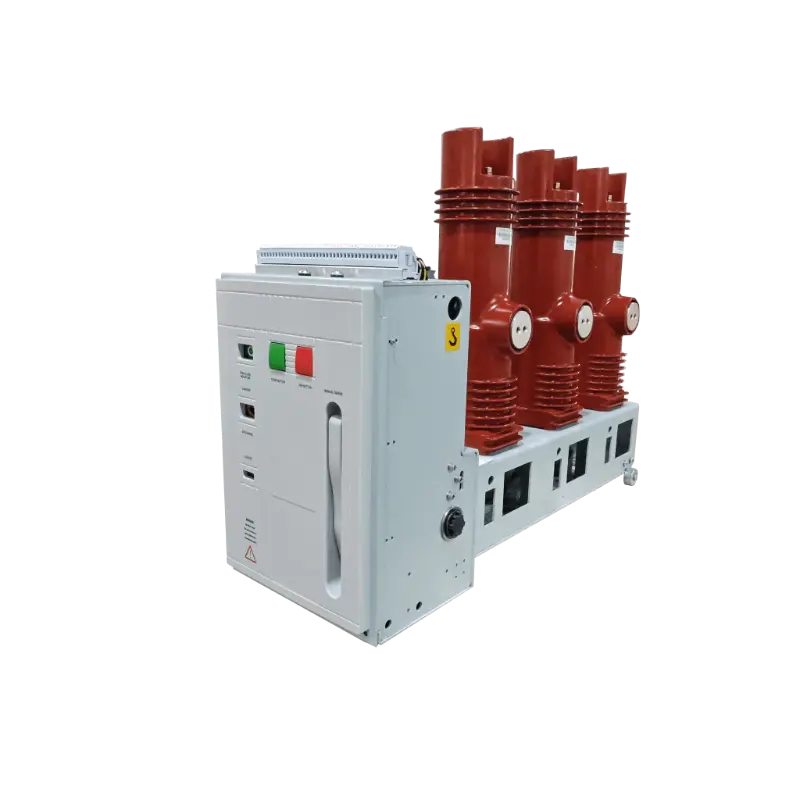
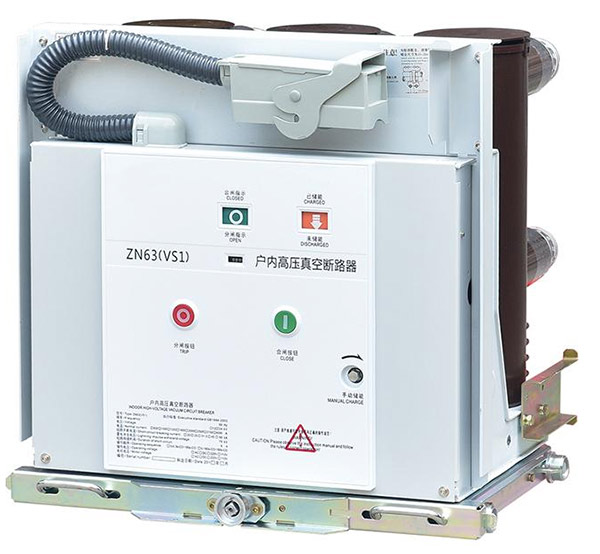
A VCB is an assembly of precision-engineered components, each playing a critical role in ensuring reliable operation. The two most vital parts are the vacuum interrupter and the operating mechanism.

4.1 The Vacuum Interrupter – Heart of the Breaker

The vacuum interrupter is a hermetically sealed ceramic cylinder containing the fixed and moving contacts. The ceramic material (often alumina) provides excellent dielectric insulation and mechanical strength. Inside, a metal bellows connects the moving contact to the external operating rod, maintaining the vacuum seal while allowing axial movement. A sophisticated shielding system surrounds the contacts to condense metal vapor and prevent it from depositing on the ceramic inner surface, preserving the insulation integrity over the device's lifetime. The contact material, typically a copper-chromium alloy, is chosen for its resistance to welding and its ability to maintain a low chopping current, which is important for inductive load switching.

4.2 Operating Mechanisms – Precision and Speed

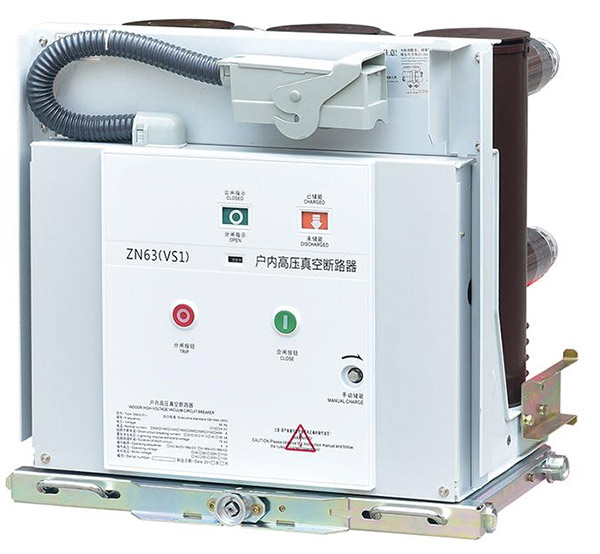
The operating mechanism provides the motive force to open and close the contacts in a precise, rapid manner. Spring-operated mechanisms are the most common in VCBs due to their reliability and independence from external power sources during tripping. Energy is stored in a closing spring (via a manual or motorized charging system) and released when a trip signal is received. This stored-energy design ensures that the breaker opens with consistent speed and force, regardless of the control voltage. Other options include magnetic actuators, which use permanent magnets and a coil for latching, offering a simpler mechanical design with fewer moving parts. Comewill’s VCBs are equipped with robust mechanisms like the CT series, designed for thousands of operations with minimal adjustment.


5. Types and Application Fields of VCBs

VCBs are categorized by their installation environment and specific operational demands. The two primary types are:

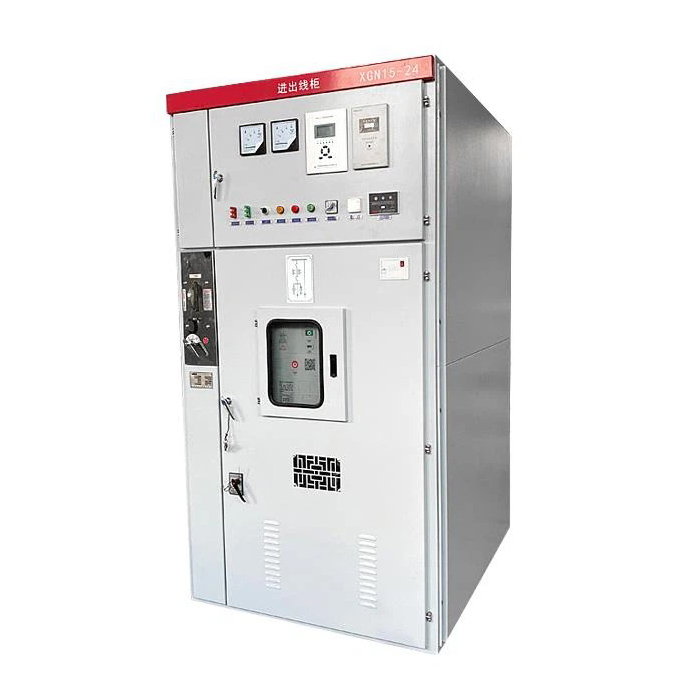
  • Indoor VCBs: Designed for installation within metal-clad switchgear or cubicles in controlled environments. They are compact, focus on safety and are widely used in industrial power distribution, commercial buildings, and data centers. Their design prioritizes easy maintenance and integration with protection relays.
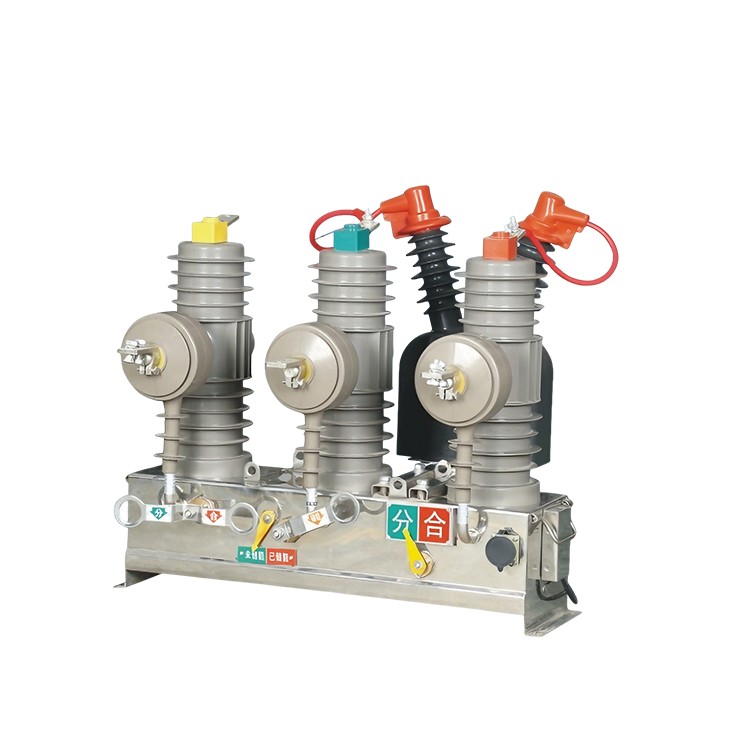
  • Outdoor VCBs: Constructed with weather-resistant enclosures capable of withstanding rain, dust, and temperature extremes. They are commonly deployed in outdoor substations, pole-mounted applications, and renewable energy plants. The robust insulation and corrosion-resistant materials ensure reliable operation in harsh climatic conditions.

Key application areas include:

  • Power Utility Distribution: Protecting primary and secondary distribution feeders, transformer banks, and capacitor banks in grid substations.
  • Industrial Manufacturing: Safeguarding large motors, generators, and arc furnaces in steel, cement, and mining industries, where frequent switching is common.
  • Renewable Energy: Used in wind turbine towers and solar inverter stations for reliable isolation and switching, especially in outdoor environments.
  • Transportation: Railway traction substations and electrified transit systems benefit from VCB's ability to handle frequent switching and low maintenance.
  • Commercial Infrastructure: High-rise buildings, hospitals, and airports use VCBs in their primary switchgear to ensure continuity of service.

With a broad portfolio, Comewill supplies VCBs for both indoor and outdoor applications, offering customization to meet specific customer requirements and project standards.


6. Key Selection Criteria for VCB Procurement

Selecting the right VCB for a specific project requires a thorough evaluation of both system parameters and operational conditions. The following criteria form the basis of a sound procurement decision:

  • System Voltage and Current Ratings: Match the breaker's rated voltage (e.g., 12kV, 24kV, 36kV) and continuous current (e.g., 630A, 1250A, 2000A, 3150A) to the network's nominal values and load profile.
  • Symmetrical Breaking Capacity (Isc): The breaker must have a breaking capacity (kA) that exceeds the maximum calculated short-circuit current at the installation point to ensure it can safely clear faults.
  • Installation Environment: Decide between indoor and outdoor types based on the switchgear location, available space, and environmental factors such as pollution level, humidity, and altitude.
  • Switching Duty: For applications involving frequent start/stop cycles (e.g., motor control) or capacitive switching (e.g., capacitor banks), select a VCB with a proven mechanical and electrical endurance rating.
  • Operating Mechanism Type: Consider spring or magnetic actuator options based on available control voltages, required speed, and maintenance preferences. Spring mechanisms are standard; magnetic actuators offer a simpler latching system.
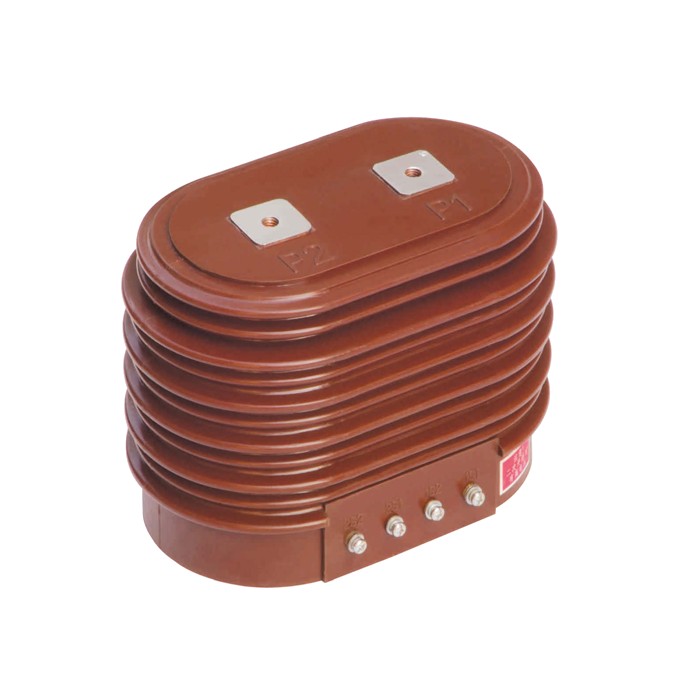
  • Auxiliary Components and Integration: Ensure compatibility with protection relays, CTs, VTs, and communication protocols (e.g., IEC 61850) for seamless integration into the substation automation system.
  • Standards Compliance: Verify that the VCB meets relevant international standards such as IEC 62271-100 or IEEE C37.09, ensuring it has undergone type tests for dielectric, thermal, and short-circuit performance.

By carefully evaluating these criteria, engineers and procurement teams can specify a VCB that not only meets the immediate technical requirements but also delivers long-term reliability and cost-effectiveness. Comewill provides detailed technical support to help customers navigate these choices, offering products that comply with major international standards.


7. FAQ

1. What is the primary operational advantage of a Vacuum Circuit Breaker?

The primary advantage lies in its ability to extinguish the arc almost immediately after current zero in a vacuum, providing rapid dielectric recovery. This results in very short arcing times, reduced contact erosion, and minimal maintenance, making it highly reliable for medium-voltage systems.

2. What voltage range is a VCB typically used for?

VCBs are primarily designed for medium-voltage applications, covering a range from approximately 3 kV up to 36 kV. This makes them the standard choice for distribution networks and industrial power systems.

3. How does a VCB compare to an SF₆ circuit breaker in terms of environmental impact?

VCBs have a significant environmental advantage as they use a vacuum as the interruption medium, which has no greenhouse gas effect. In contrast, SF₆ gas has a very high Global Warming Potential (GWP) and requires careful handling and end-of-life recycling procedures.

4. What are the critical components that determine a VCB's lifespan?

The two most critical components are the vacuum interrupter (sealed contacts) and the operating mechanism. The interrupter's contact material and shielding determine electrical life, while the mechanism's design and material quality dictate mechanical endurance.

5. Can VCBs be used for frequent switching applications?

Yes, VCBs are exceptionally well-suited for frequent switching duties, such as motor starting, capacitor bank switching, and arc furnace control. Their robust design and low contact erosion allow for a high number of safe operations.

6. What maintenance is required for a VCB?

VCBs require very minimal maintenance. The primary tasks include periodic inspection of the operating mechanism for proper lubrication, checking of mechanical indicators, and visual inspection of the interrupter for any signs of damage. The interrupters themselves are sealed for life and do not require gas refilling or contact replacement under normal service conditions.

Looking for a high-performance, reliable Vacuum Circuit Breaker for your next project?
Contact Comewill, a professional China manufacturer and supplier, delivers VCBs that meet the highest standards of quality and durability. Our products are designed to provide safe, dependable protection for your medium-voltage assets.
Related News
Leave me a message
X
We use cookies to offer you a better browsing experience, analyze site traffic and personalize content. By using this site, you agree to our use of cookies.Privacy Policy
RejectAccept