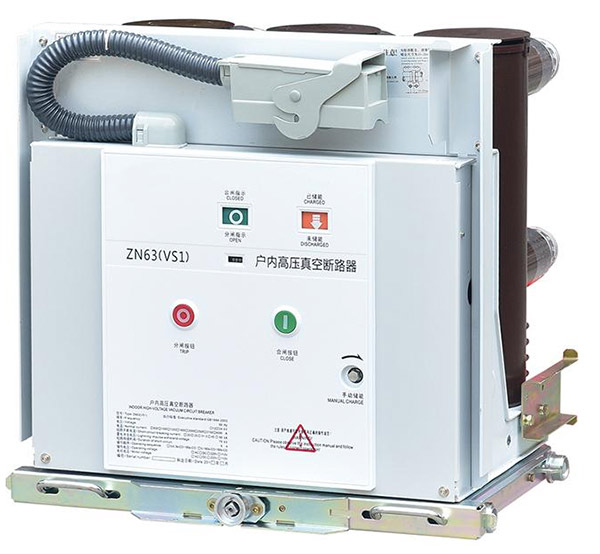
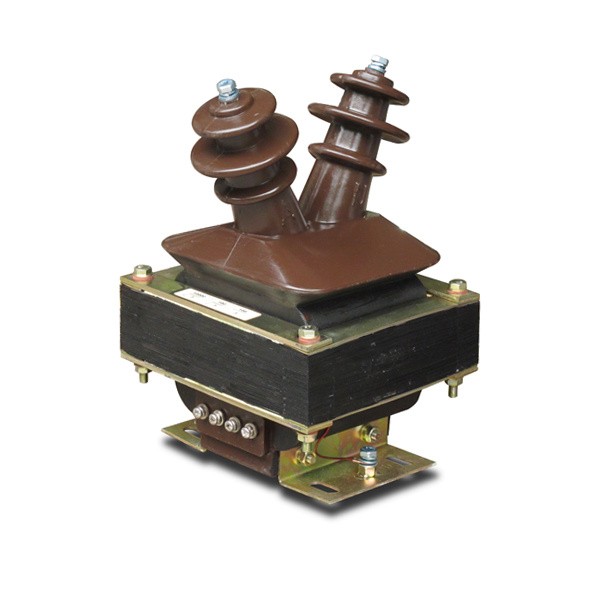
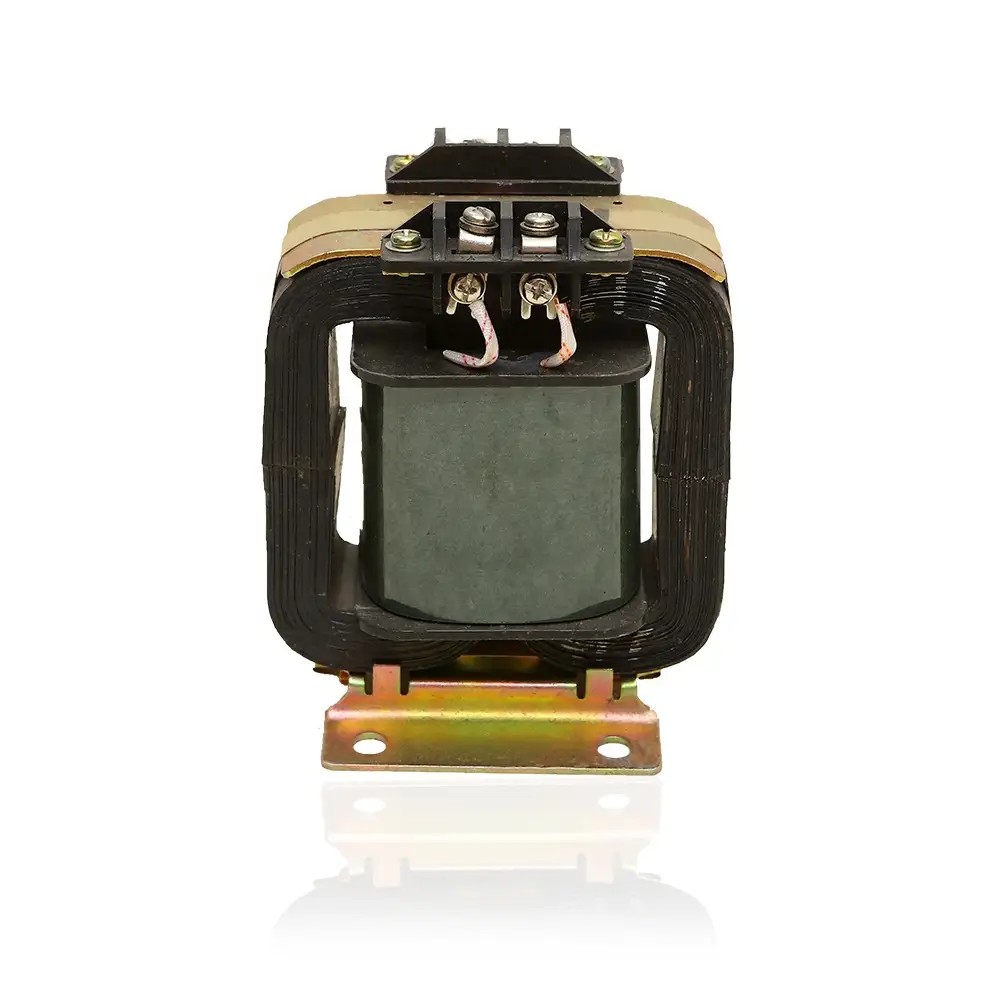
Comewill, a trusted China manufacturer and supplier of electrical equipment, offers high-quality Vacuum Circuit Breaker (VCB) systems that are in stock and available for customized or wholesale orders. Designed for medium and high-voltage power distribution, these breakers use vacuum arc-quenching technology to ensure fast, reliable interruption of current, minimizing downtime and protecting critical electrical infrastructure. Comewill Vacuum Circuit Breakers combine compact design, long mechanical life, and stable performance, making them a practical choice for industrial, commercial, and utility applications.
What is a Vacuum Circuit Breaker?
A Vacuum Circuit Breaker (VCB) is an electrical switching device that uses a vacuum to extinguish arcs when contacts separate. Unlike oil, air, or SF₆ breakers, the vacuum provides high insulation and rapid arc suppression, preventing faults from spreading and keeping power systems stable. VCBs are widely used in medium-voltage grids, substations, and industrial facilities due to their reliability, fast operation, and low maintenance requirements.
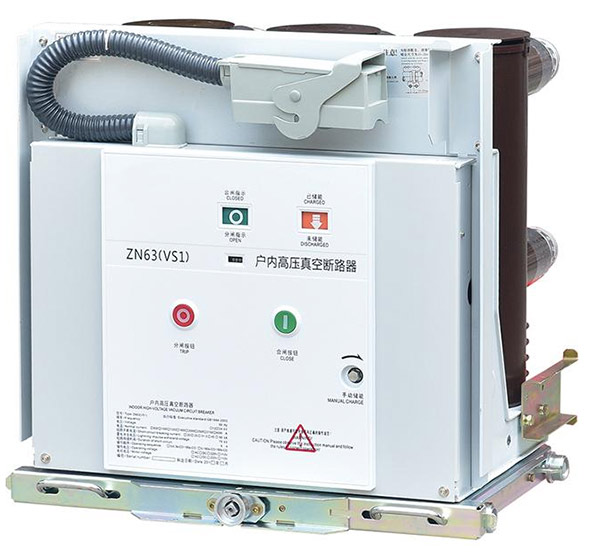
Working Principle of VCBs
When a fault occurs, the contacts of a customized vacuum circuit breaker open quickly. The vacuum environment stops the arc almost instantly, as there are no air molecules to sustain it. Metal vapor from the arc condenses on contacts and shielding covers, preventing re-ignition. This process ensures safe, continuous operation and reduces wear, extending the device’s electrical and mechanical life.
Key Characteristics
Compact Design – Small contact distance (e.g., 10mm for 10kV), lightweight, and easy to install.
Fast Arc Extinguishing – Arc duration typically only half a cycle, independent of current level.
High Electrical Life – Can break rated current up to 5,000 times; full capacity breaking 30–50 times.
Low Operating Power – Efficient spring or electromagnetic mechanisms with minimal mechanical wear.
Capacitive Load Handling – Suitable for transformers, motors, and generators.
Main Components
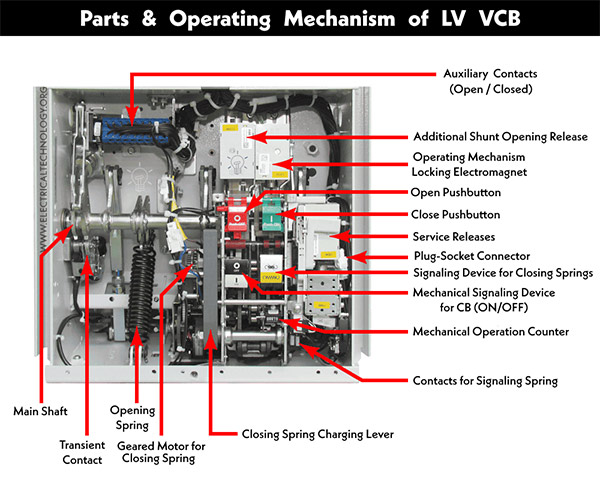
A Vacuum Circuit Breaker mainly consists of the vacuum interrupter, operating mechanism, shielding system, and other supporting components.
Vacuum Interrupter – The sealed chamber that extinguishes arcs; types include ceramic, glass, or miniaturized magnetic-field designs.
Operating Mechanism – Spring or electromagnetic-operated systems such as CD10, CD17, CT19, or CT8 for precise control.
Shielding System – Covers arc products and ensures uniform electric field distribution.
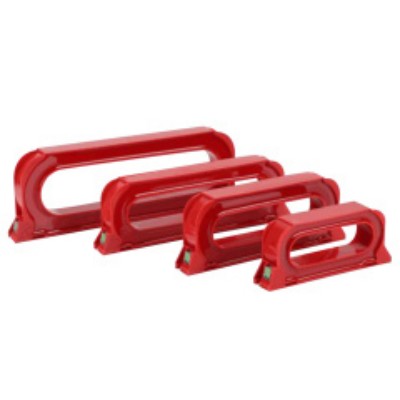
Other Components – Bases, insulation supports, and brackets for stable installation.
Difference between Vacuum Circuit Breaker and Vacuum Contact Unit
|
Vacuum Circuit Breaker
|
Vacuum Contact Unit
|
|
A Vacuum Circuit Breaker is a specialized circuit breaker designed to safeguard high-voltage systems from potential damage.
|
A vacuum contactor is a device capable of enduring numerous operations with a strong mechanical lifespan.
|
|
They are commonly employed for voltage levels ranging between 3 kV and 36 kV.
|
The necessary ratings those of vacuum contactors, reaching values of 200 A or 630 A at voltages up to 15 kV.
|
|
The loads contain transformers, capacitors, sizable motors, generators, or distribution feeders.
|
The continuity of the process aligns with the time required for fuse replacement.
|
|
Switching occurrences are infrequent.
|
Switching occurrences are frequent.
|
Types
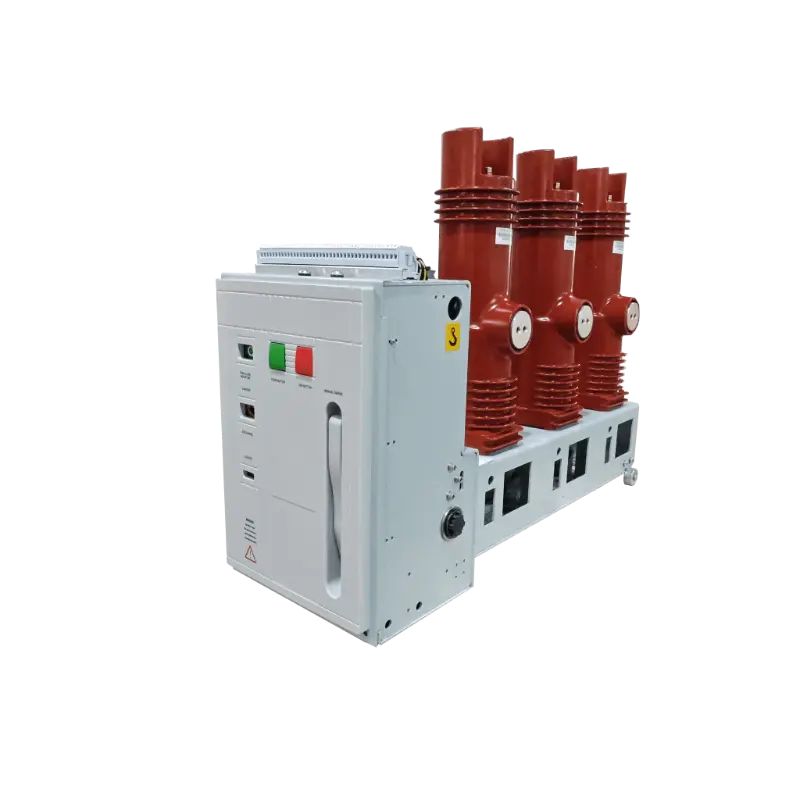
Indoor VCBs – Compact, designed for switchgear cabinets in factories and commercial buildings. Suitable for tight spaces, they maintain safe and tidy installations.
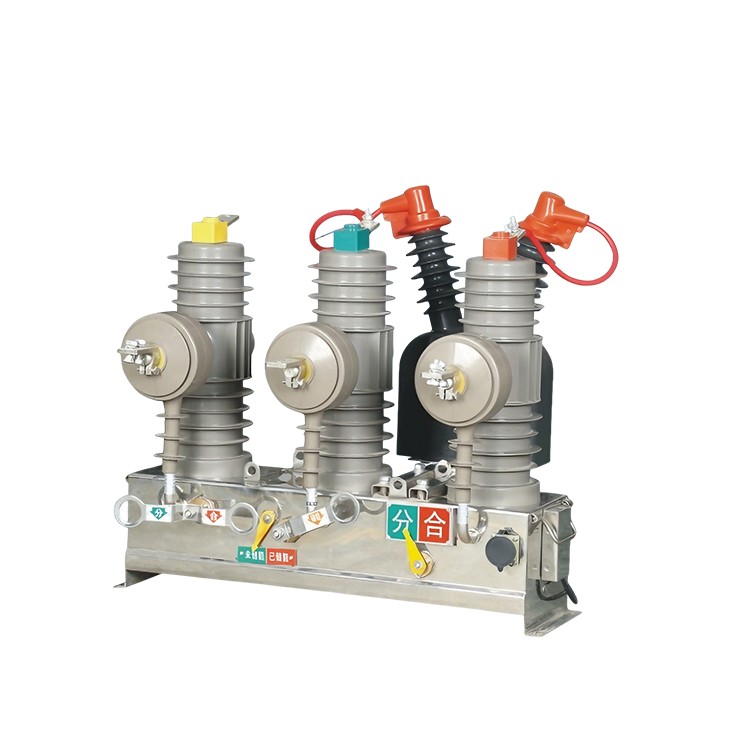
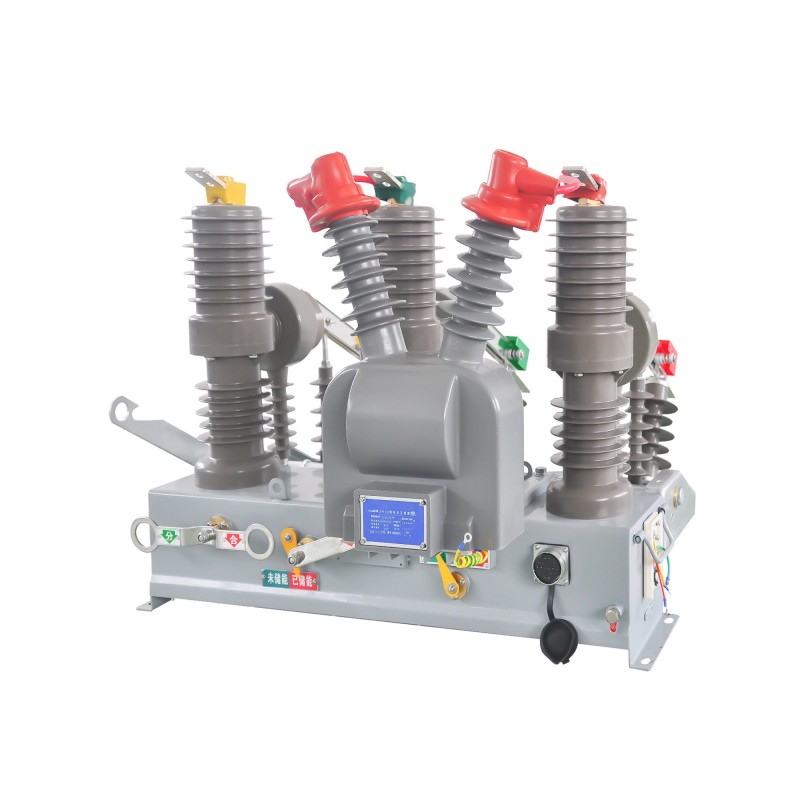
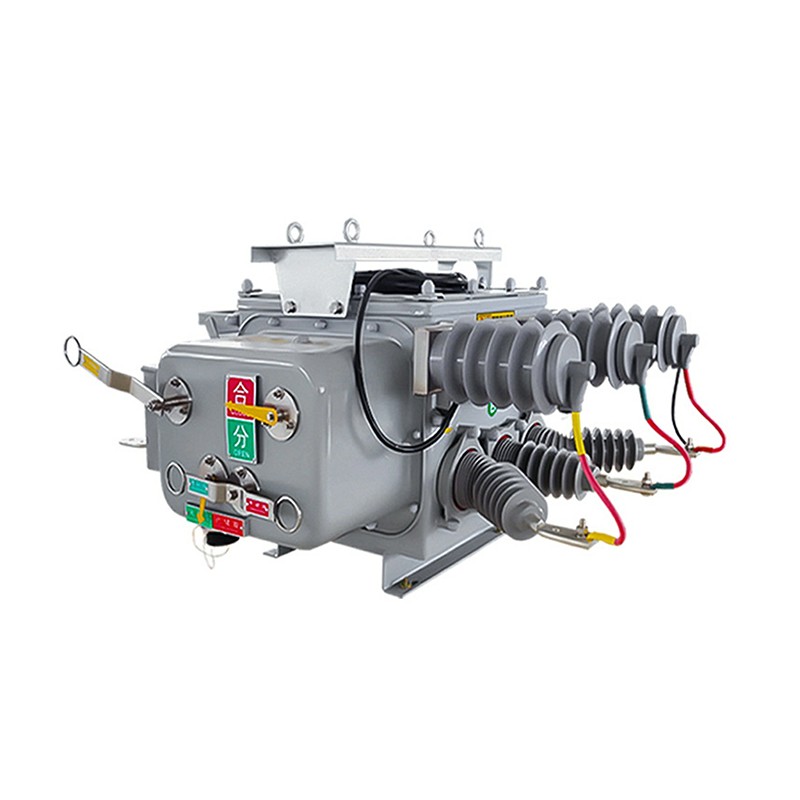
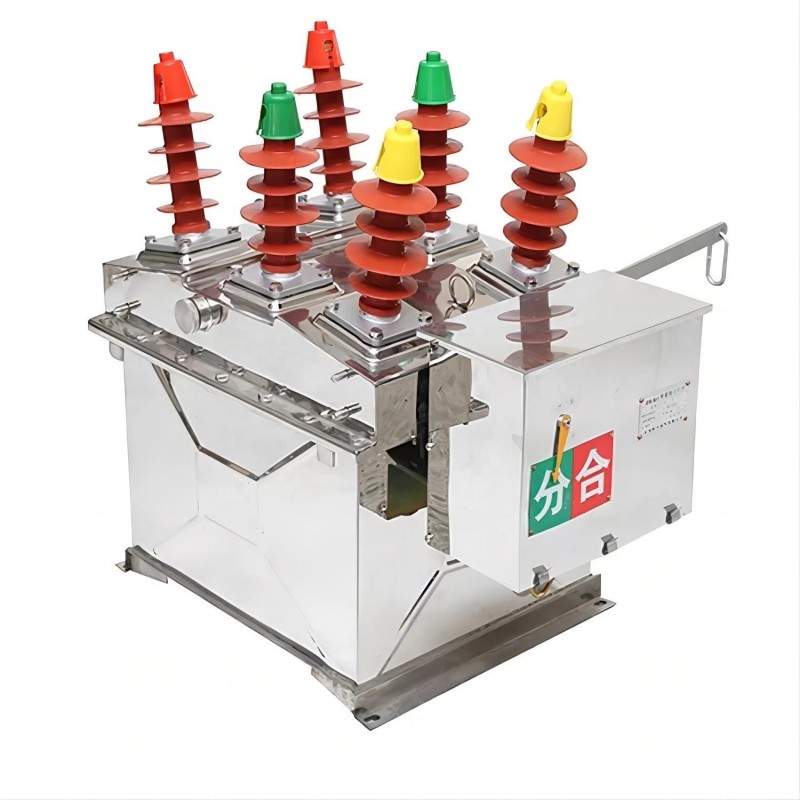
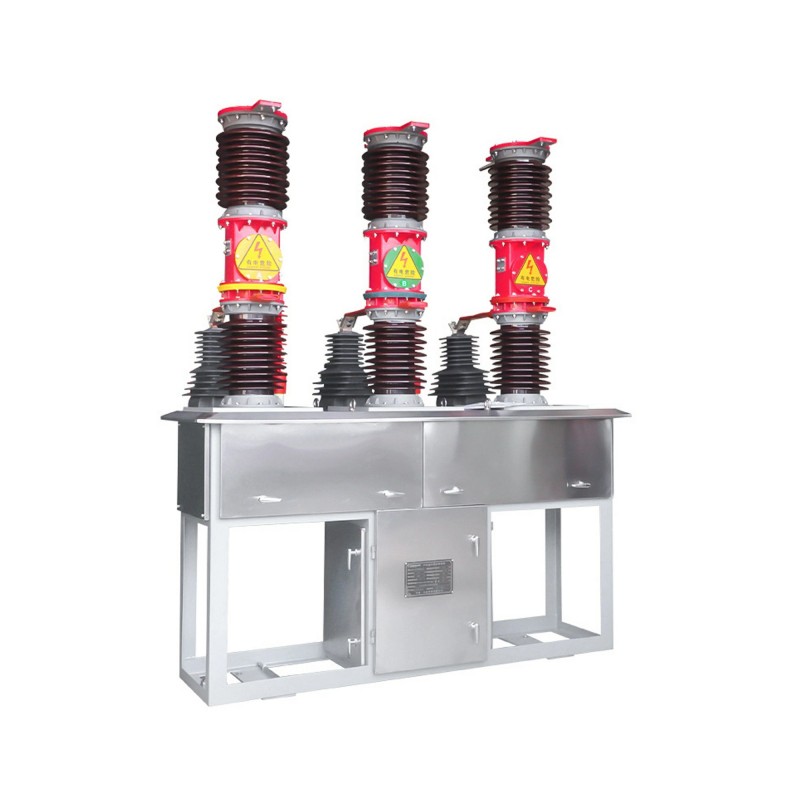
Outdoor VCBs – Weather-resistant models for substations and transmission networks. Designed to withstand wind, rain, and temperature variations while protecting power systems.