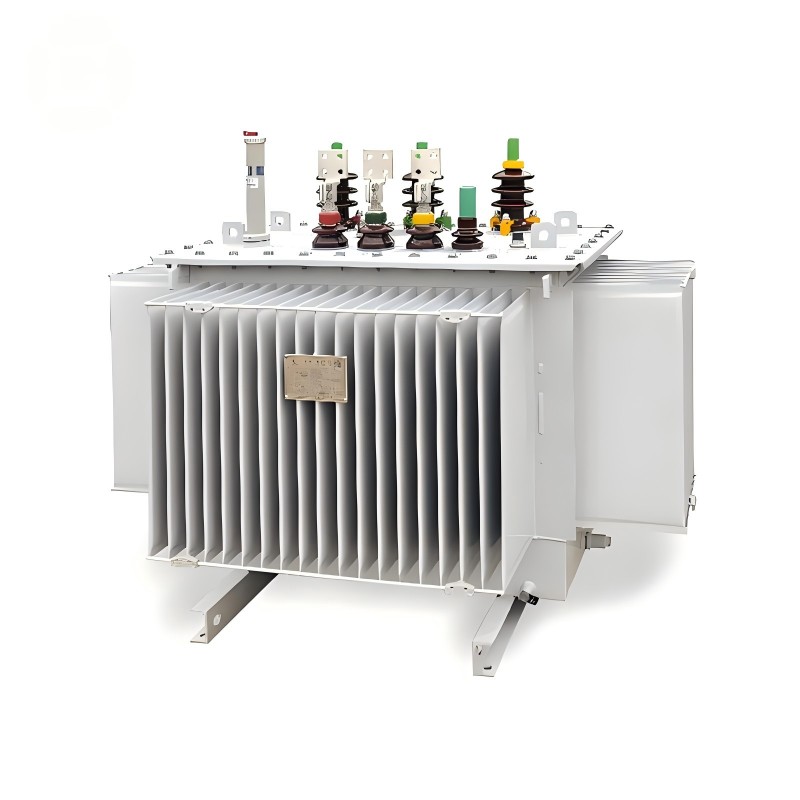
What Is a Zero Sequence Current Transformer?
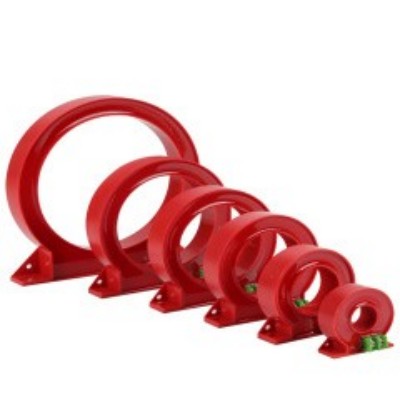
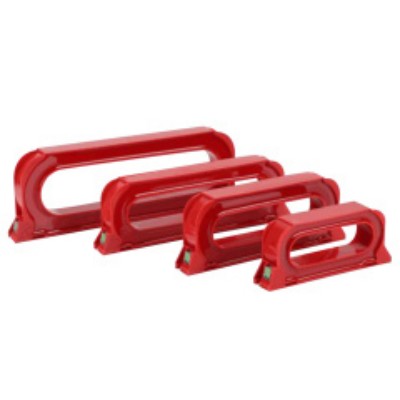
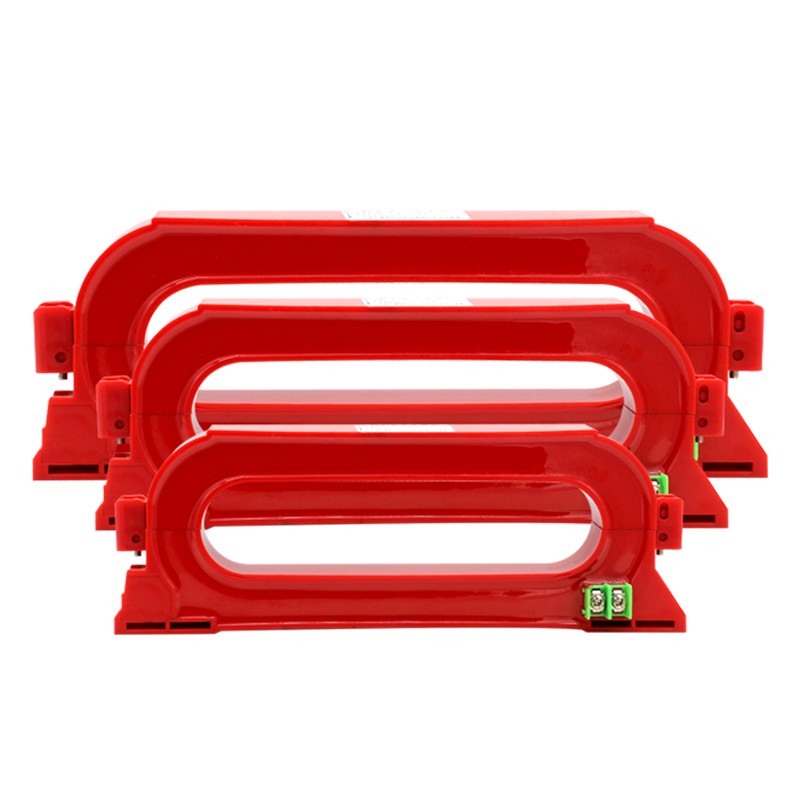
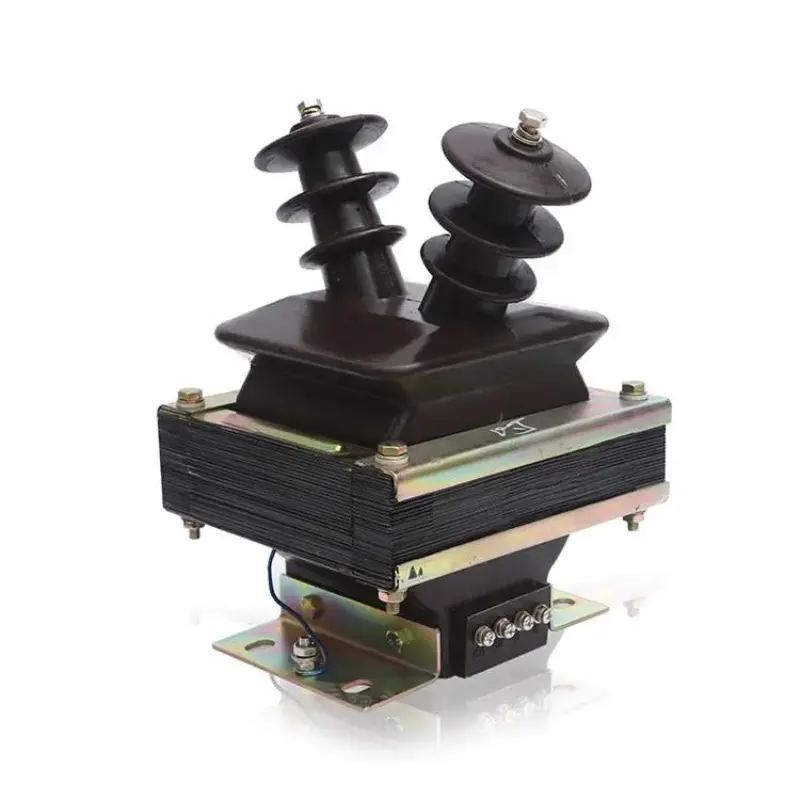
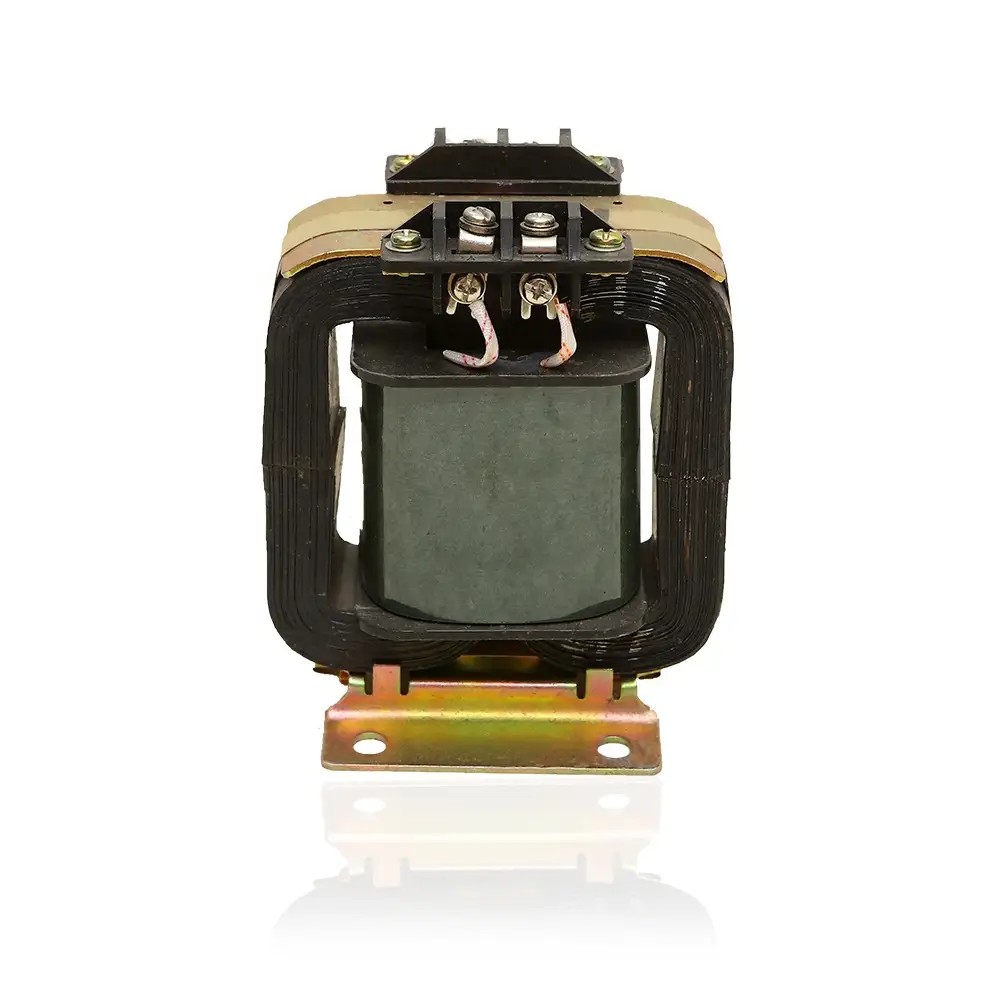
As a professional Current Transformer manufacturer in China, Comewill would like to provide you customized Zero Sequence Current Transformer, which is a single-turn through-type current transformer designed to detect zero sequence current in power systems. It monitors the vector sum of three-phase currents and identifies leakage or ground faults within distribution networks.
When abnormal current occurs due to insulation damage or grounding faults, the transformer sends a signal to protection equipment such as relay protection devices or leakage protection controllers. This process allows the system to issue alarms or disconnect the faulty circuit.
The Zero Sequence Current Transformer is commonly installed around power cables or busbars, making it suitable for monitoring medium and low-voltage electrical systems.
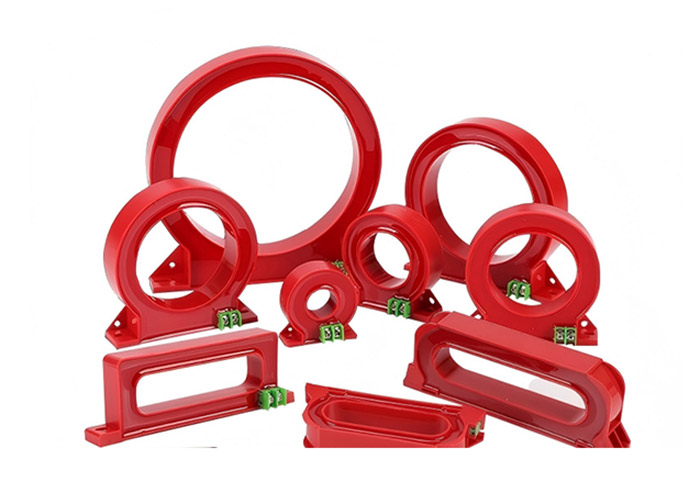
Structural Design
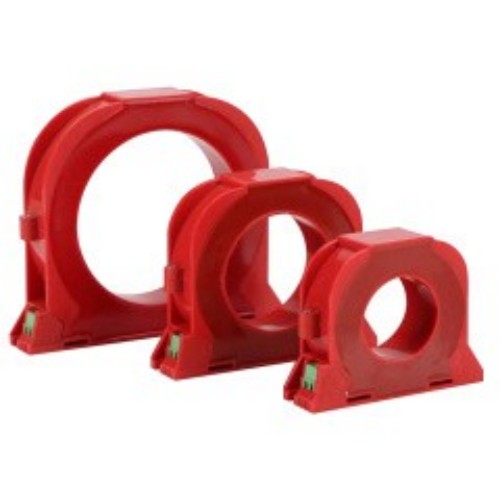
1. Ring Core Structure
The transformer uses a circular iron core with secondary windings that detect current imbalance.
2. Epoxy Resin or Silicone Rubber Encapsulation
The iron core and winding are sealed within a protective shell, providing moisture resistance and protection against pollution flashover.
3. Two Installation Types
Products are available in integral type (pre-installed during cable laying) and open type (installed around existing cables).
4. Rogowski Coil Technology
Some designs adopt Rogowski coil sensing technology to convert current signals into measurable voltage outputs.
Technical Characteristics and Parameters
1. Applicable Voltage Range: 0.4kV to 66kV.
2. Grid Frequency: Standard operating frequency is 50Hz
3. Operating Temperature: −10°C to +40°C.
4. Same name end: once penetrated from the "L1" side, the second is "K1";
Installation Considerations
Proper installation ensures accurate operation of a Zero Sequence Current Transformer.
Integral Type Installation
For integrated transformers, the cable must pass through the transformer before the cable is installed.
Open Type Installation
Open models can be mounted on existing cables by separating the transformer body and reassembling it around the conductor.
Grounding Arrangement
In some grounding systems, cables should pass through the transformer before connecting to the grounding point to ensure correct detection of leakage current.
Mechanical Alignment
When reassembling split transformers, both halves must align properly to avoid measurement deviation.