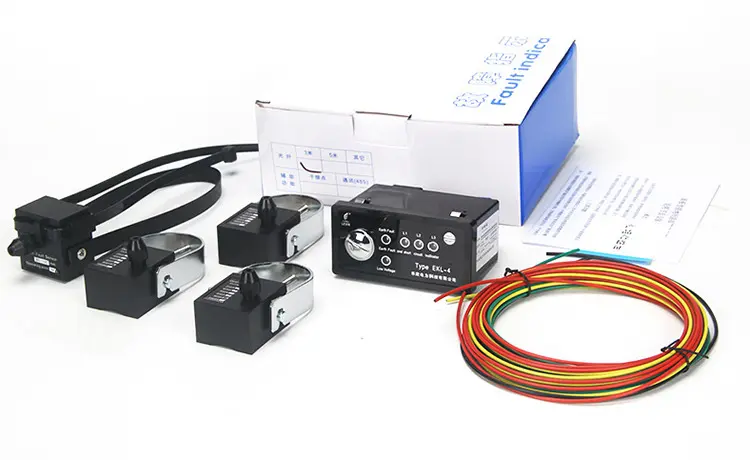
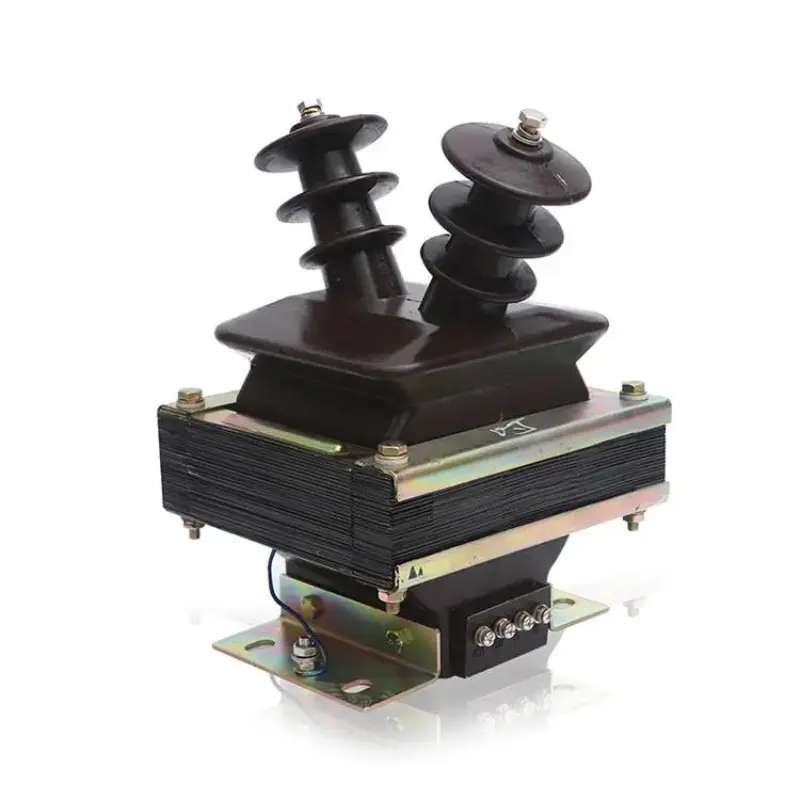
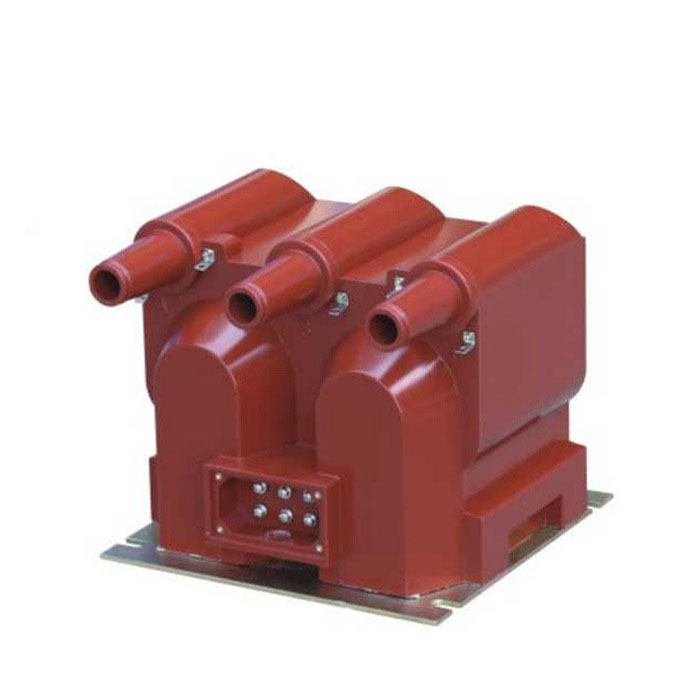
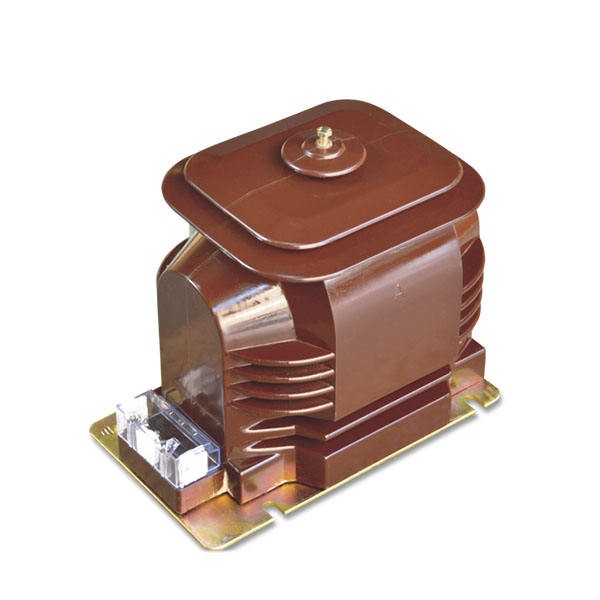
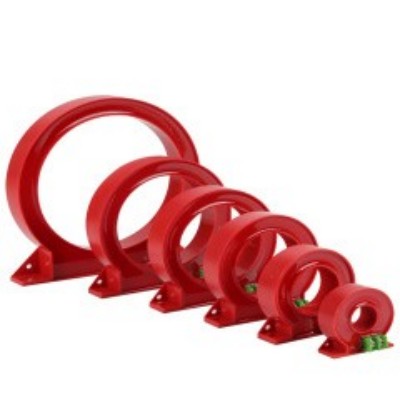
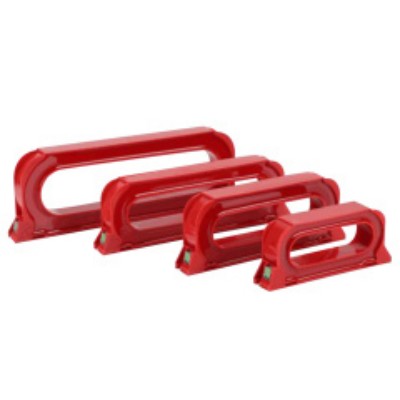
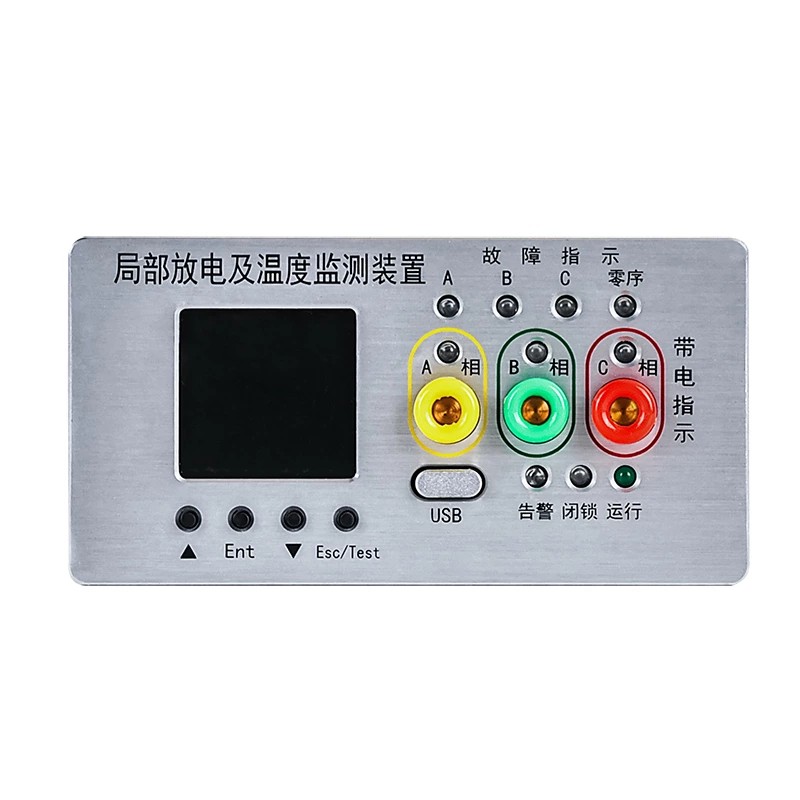
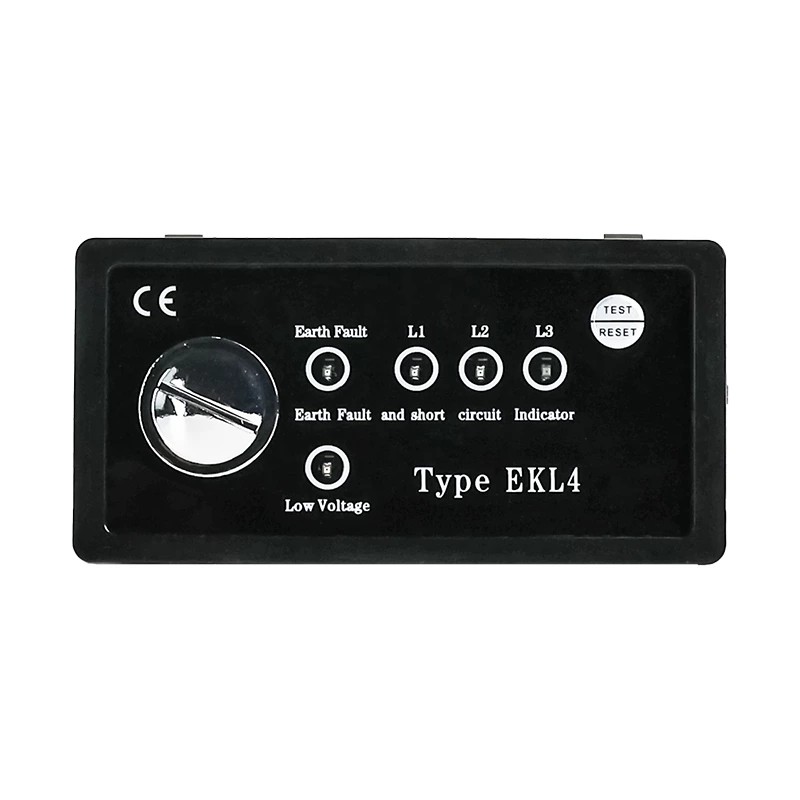
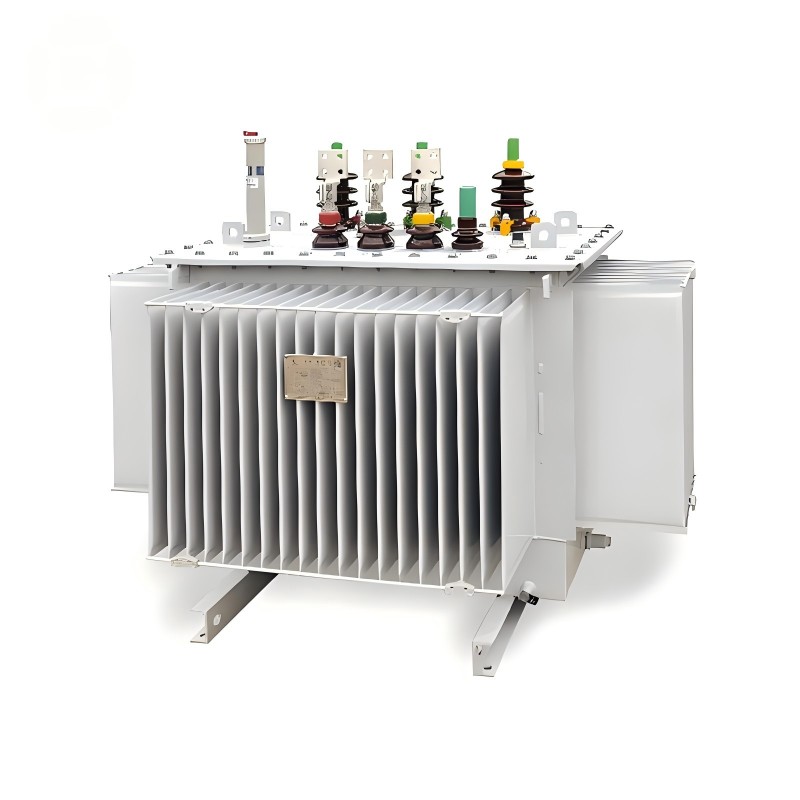
Comewill, a trusted China Manufacturer and Supplier of electrical protection devices, offers high-quality Fault Indicators for overhead lines, cable networks, and switchgear panels. Our Fault Indicators are designed to provide accurate, real-time detection of short-circuit and grounding faults, ensuring safe and efficient power distribution.
What is a Fault Indicator?
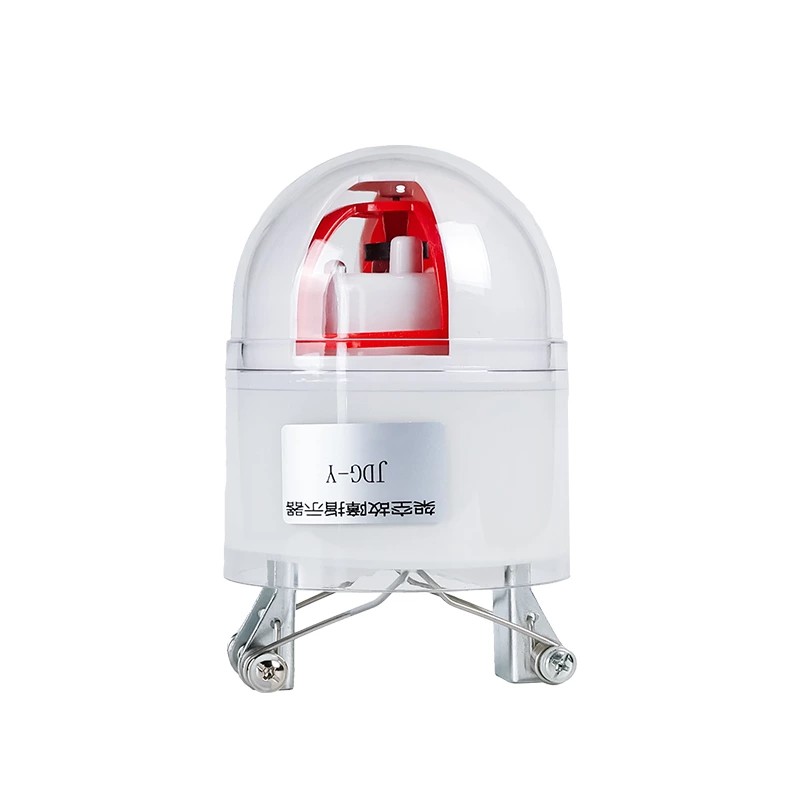
A Fault Indicator is an electromagnetic induction device that identifies the presence of short-circuit currents and signals the fault location with a visual display (usually a red card). Installed along distribution lines, it instantly activates when a short-circuit occurs, allowing maintenance teams to trace the fault point efficiently.
Working Principle:
Detects line current through electromagnetic induction.
Measures voltage via the spatial electric field’s potential gradient.
Activates a visual alarm when a fault occurs, then automatically resets after a set period.
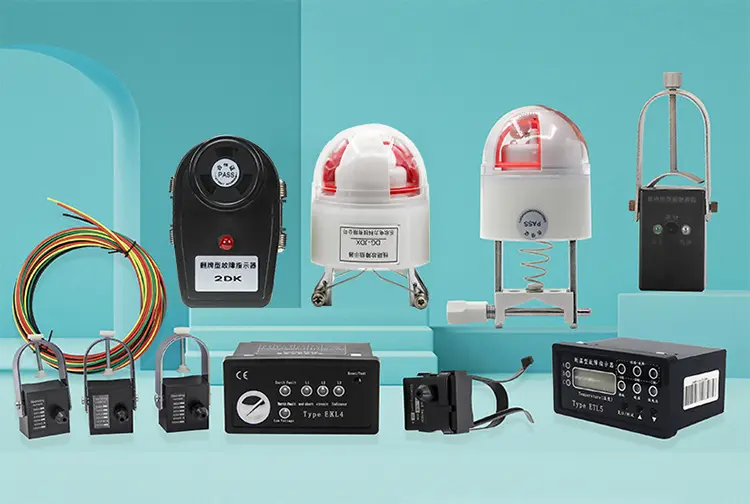
Classification
1. By Installation Type
Overhead Type: Integrated sensor and display unit mounted on overhead lines (bare or insulated). Supports live loading/unloading without false alarms.
Cable Type: Mounted on cable lines, busbars, or distribution equipment (e.g., cable branch boxes, ring main units). Includes three-phase and zero-sequence fault indicators.
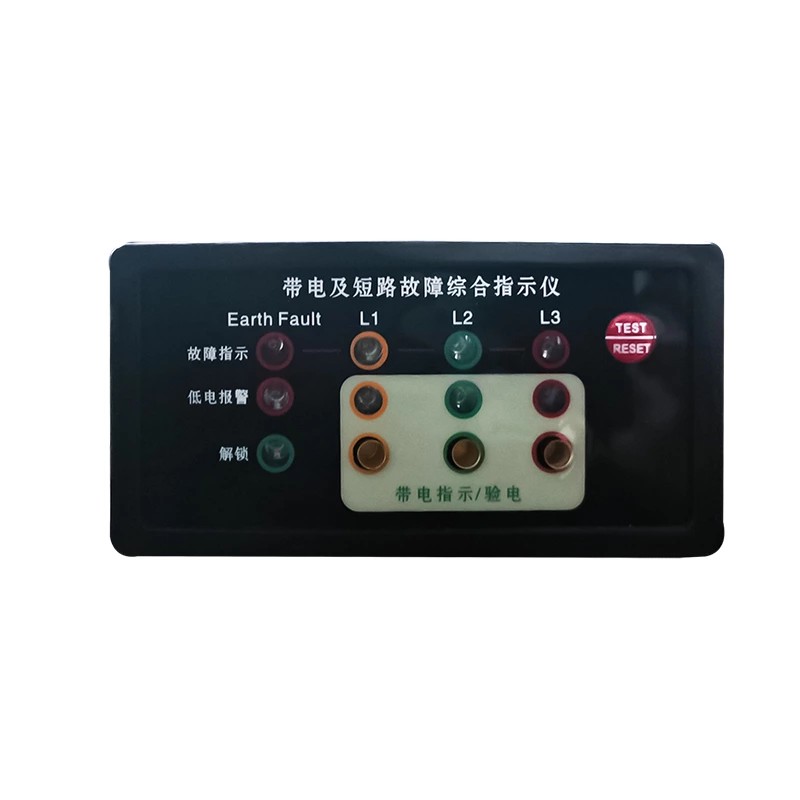
Panel Type: Sensor and display communicate via optical fiber or wireless, with reliable insulation between primary and secondary sides. Typically embedded in switchgear or ring main unit operation panels.
2. By Communication Function
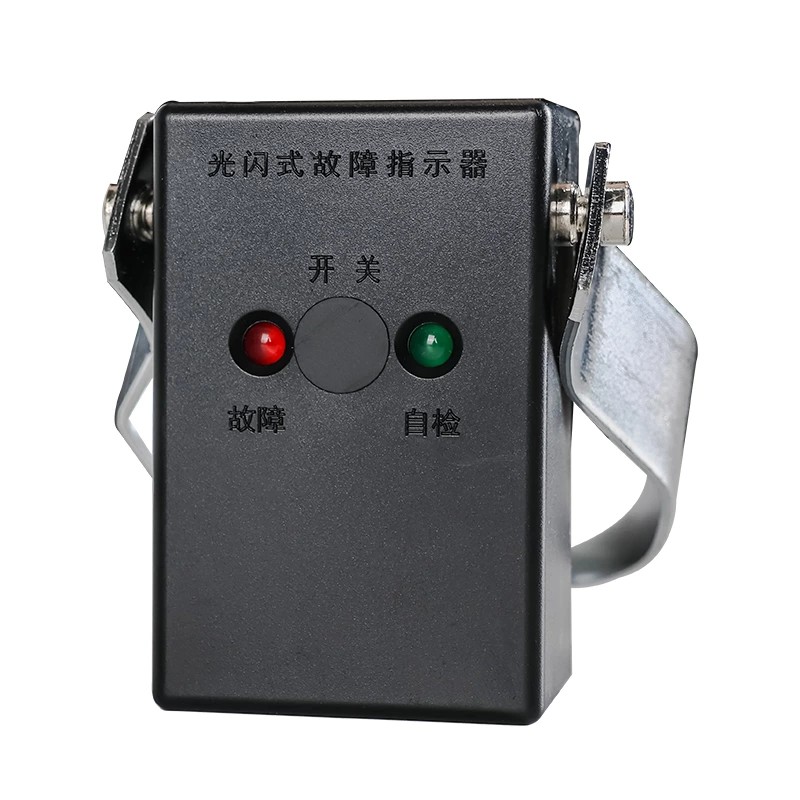
On-site Fault Indicator: Provides local visual alarm (red card) without communication; requires manual fault diagnosis.
Communication Fault Indicator: Transmits fault data via wireless or fiber optic communication to main stations. Supports telemetry and remote monitoring of switch status, energy storage, and line conditions.
3. By Function
Short-Circuit Fault Indicator: Detects sudden changes in current to indicate short-circuit faults; adapts to load fluctuations.
Single-Phase Grounding Fault Indicator: Detects single-phase grounding faults using grounding detection principles.
Combined Grounding and Short-Circuit Fault Indicator: Monitors both short-circuit and grounding conditions for comprehensive fault detection.
Key Features and Advantages
Fault Indication: White during normal operation; red when a fault occurs.
Online Operation: Designed for long-term outdoor live operation without manual maintenance.
Automatic Reset: Timer-controlled automatic reset after a fault event.
Variety of Types: Overhead, cable, busbar, and panel types available.
Live Loading and Unloading: Supports live installation and disassembly for most types of Fault Indicator.
Mature Technology: From mechanical to mechanical-electronic designs, widely used in medium and low-voltage switchgear.
Applications
Medium and low-voltage switchgear panels
Overhead distribution lines
Cable networks, ring main units, and busbars
Industrial, commercial, and utility power systems