Comewill, a leading China Manufacturer and Supplier of electrical protection components, offers high-quality High-Voltage Fuses designed to protect power systems from short circuits and overloads.
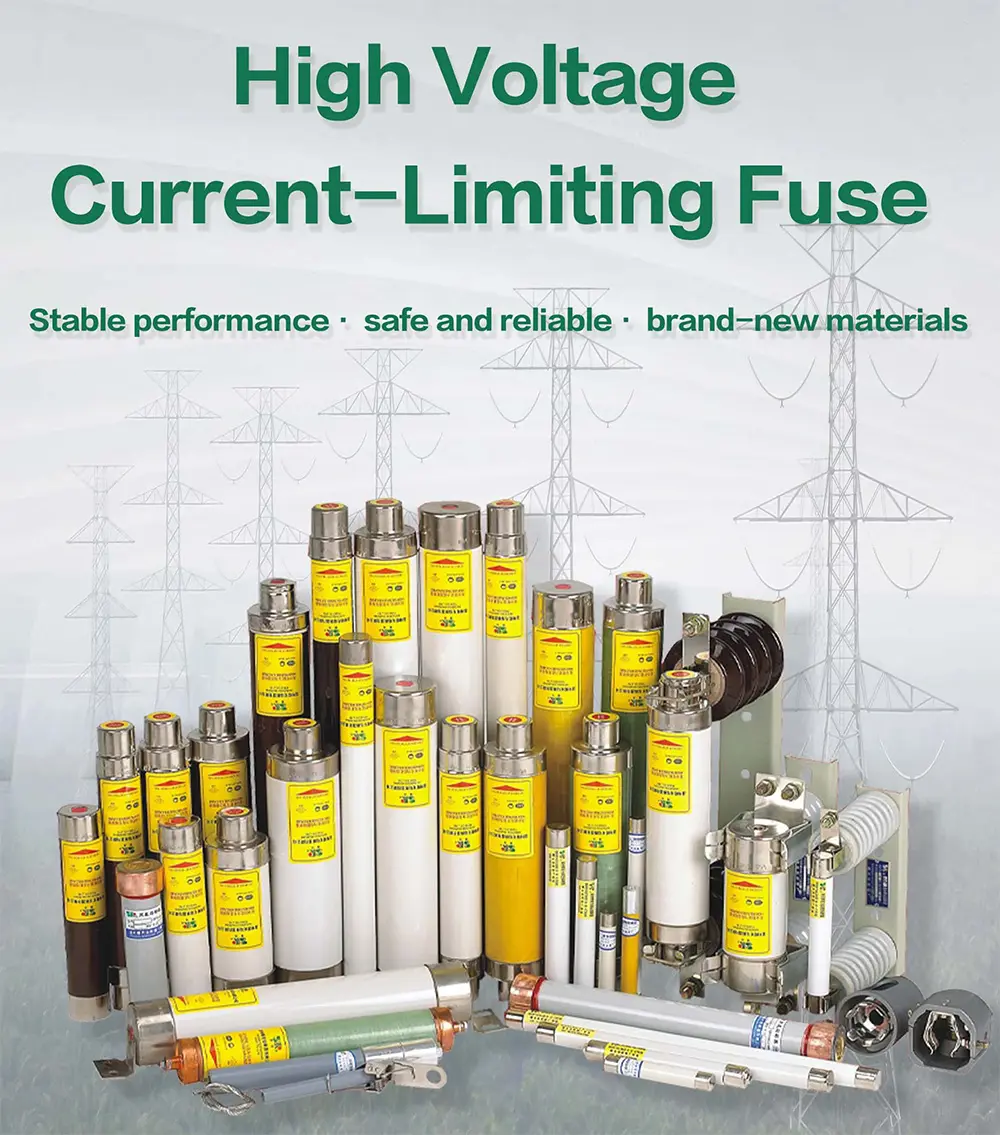
What is a High-Voltage Fuse?
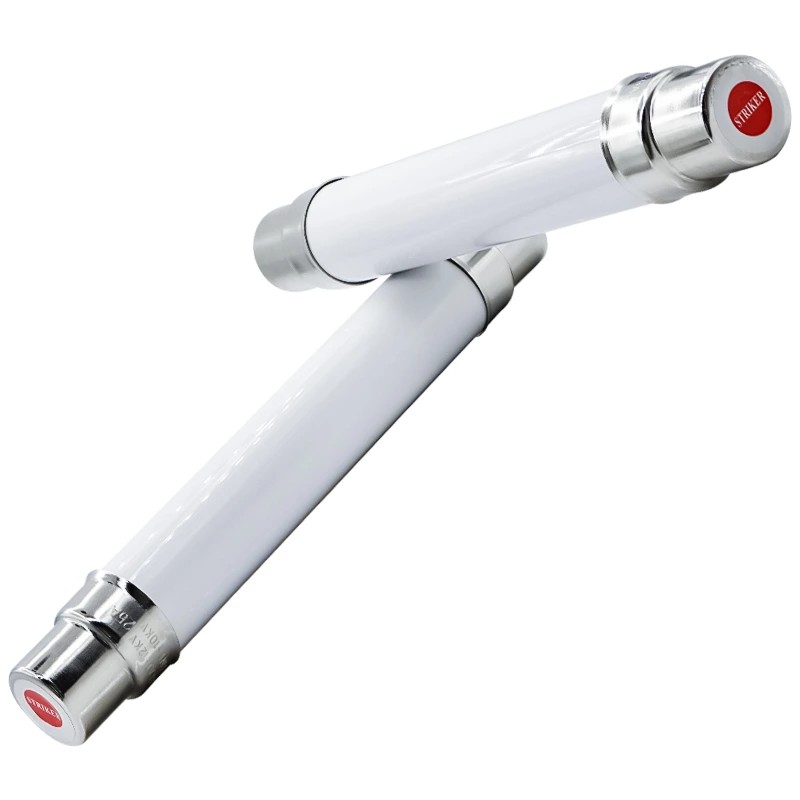
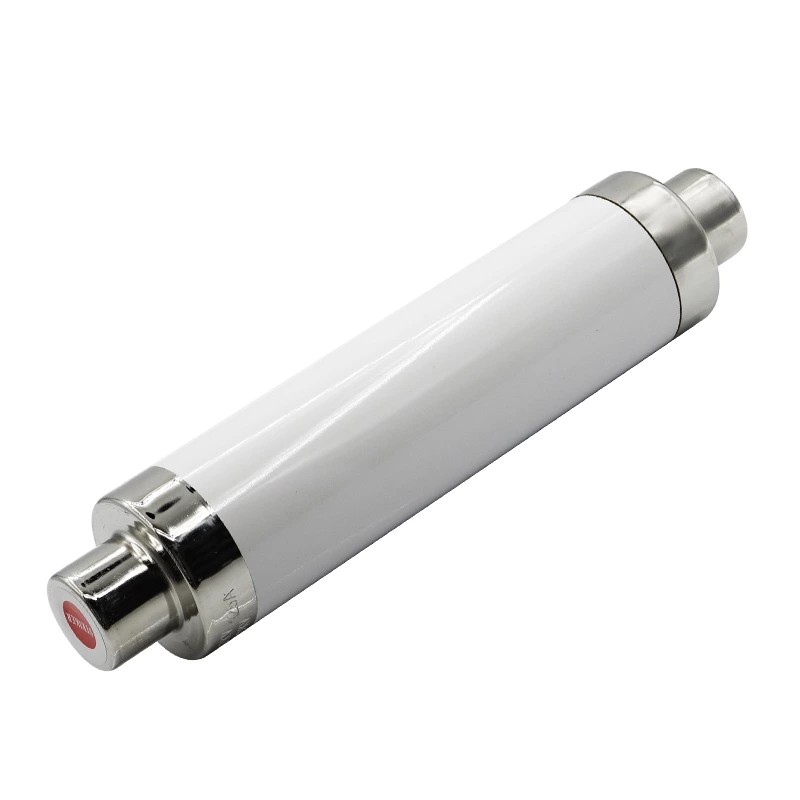
A High-Voltage Fuse is a critical protective device in power systems. Its core component, the fuse tube, acts as both a protective shell for the melt element and an arc extinguishing device. When a fault occurs, the fuse quickly interrupts excessive current, preventing equipment damage and ensuring operational safety.
Key Technical Parameters:
Rated Voltage: Determines the maximum arc extinguishing capacity.
Rated Current: Limits the maximum permissible current through the melt element.
Breaking Capacity: Defines the maximum fault current the fuse can safely interrupt.
High-voltage fuses, such as the RN type indoor fuse, often use quartz sand filling technology to accelerate arc extinguishing, while low-voltage enclosed or semi-enclosed fuses use other arc suppression methods.
Structure and Function
The fuse tube is made from insulating material and serves dual functions:
Mechanical Support & Electrical Insulation: Supports the melt element while isolating it from the external environment under normal conditions.
Arc Extinguishing: When the melt element melts, built-in arc suppression devices rapidly cut off the current, preventing continuous short-circuit flow.
Design Notes:
Closed fuse tubes block arc discharge completely, while semi-closed or open designs carry a small risk of arc leakage.
High-voltage fuse tubes filled with quartz sand divide and cool the arc between particles, improving safety and reliability.
Types of Fuse Tubes
By Application Scenario:
Low-Voltage Fuses: Closed or semi-closed designs, used in standard industrial circuits.
High-Voltage Fuses: Quartz sand filling or gas-producing arc extinguishing types, designed for higher fault currents.
Typical Models:
Closed Type: Fully enclosed, prevents arc overflow; example: RT0 sealed tube fuse.
Semi-Closed Type: Partial opening; may have arc diffusion hazards, used in older systems.
Quartz Sand Filling Type: High-purity quartz sand absorbs heat and accelerates arc extinguishing; typical for RN series indoor fuses.
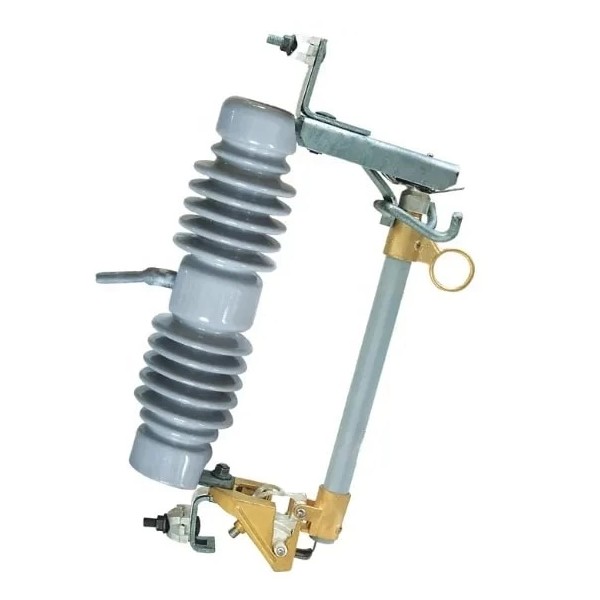
Gas-Producing Arc Extinguishing Type: Utilizes gas-generating materials to blow out arcs at high temperatures; commonly found in RW type drop-out fuses.
Application Guidelines
1. Rated Current Matching: The fuse tube’s rated current must meet or exceed the melt element’s rated current to prevent overheating or deterioration.
2. Rated Voltage Matching: Fuse tubes must match the system voltage. Do not use tubes with lower rated voltage than the power system.
3. Breaking Capacity: For circuits with high short-circuit risk, select a fuse tube with a breaking capacity higher than the maximum expected fault current.