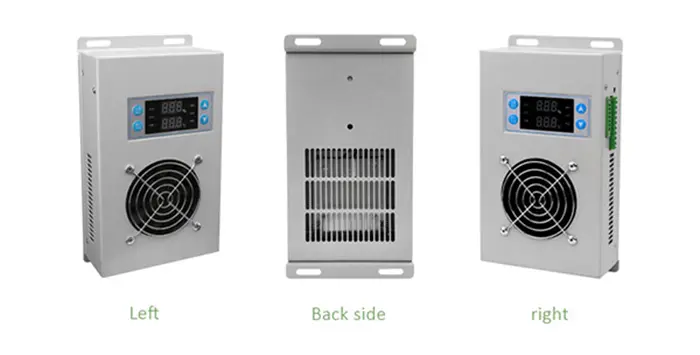
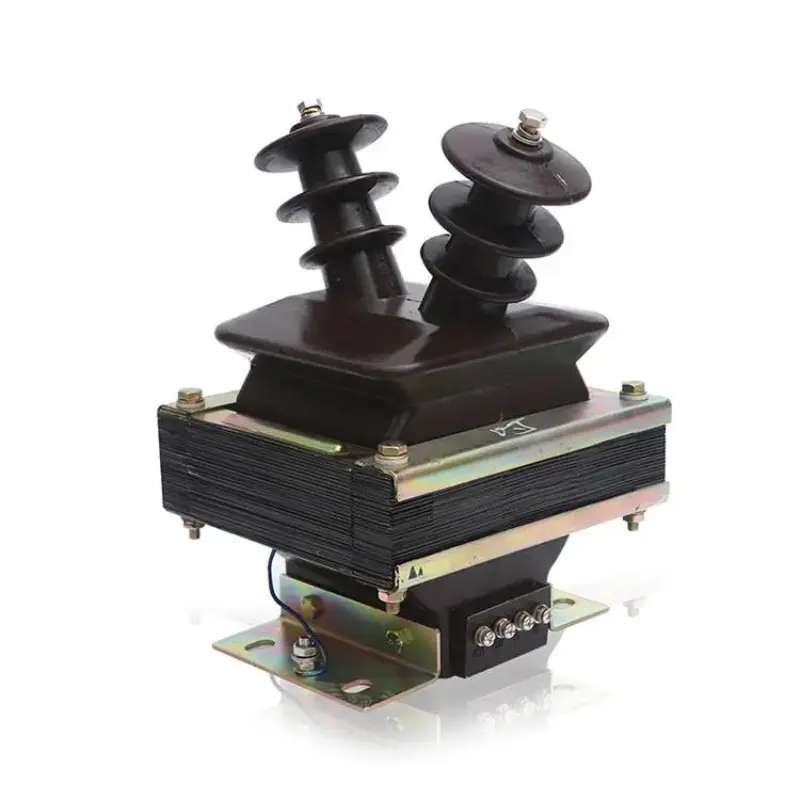
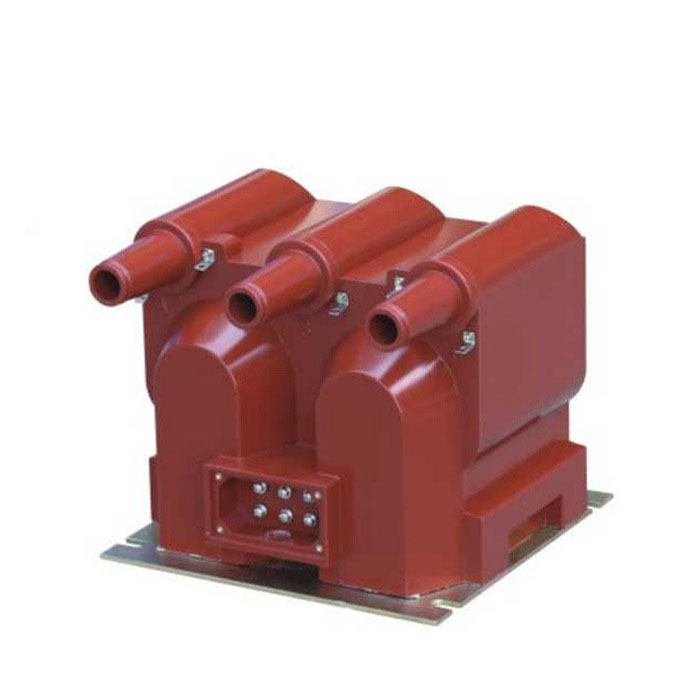
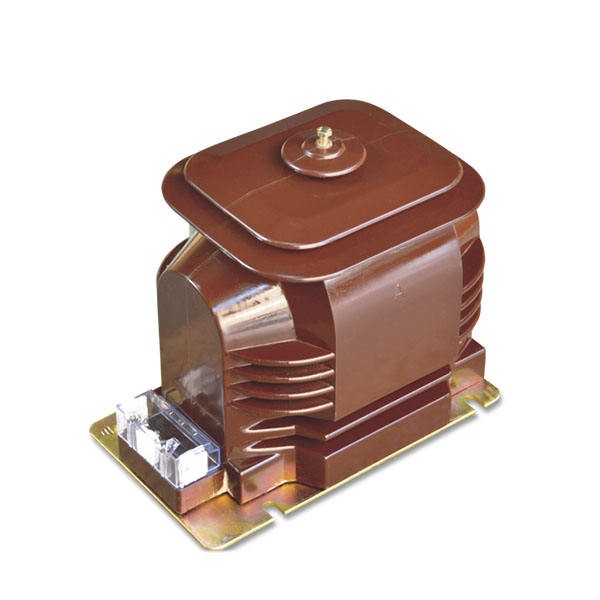
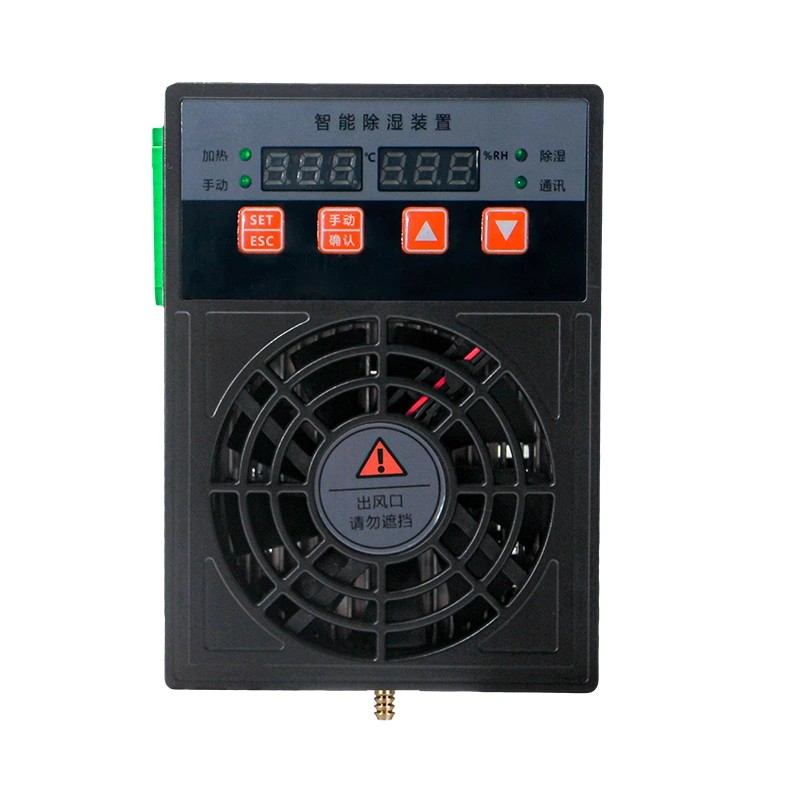
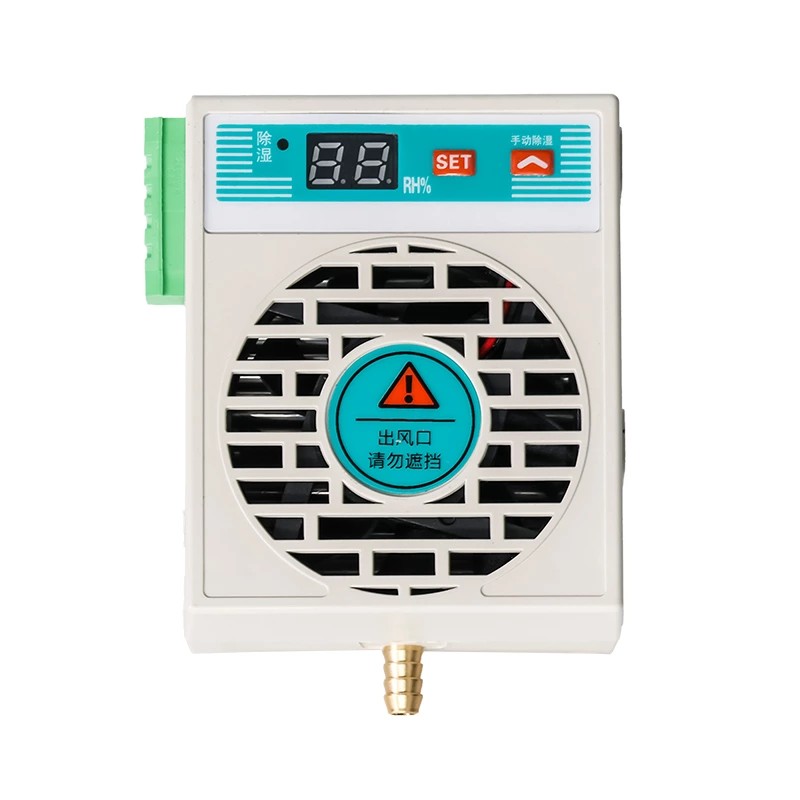
Comewill, a professional manufacturer and supplier of cabinet climate control equipment, provides dependable Switchgear Dehumidifier solutions for power distribution systems, communication equipment, and industrial automation cabinets.
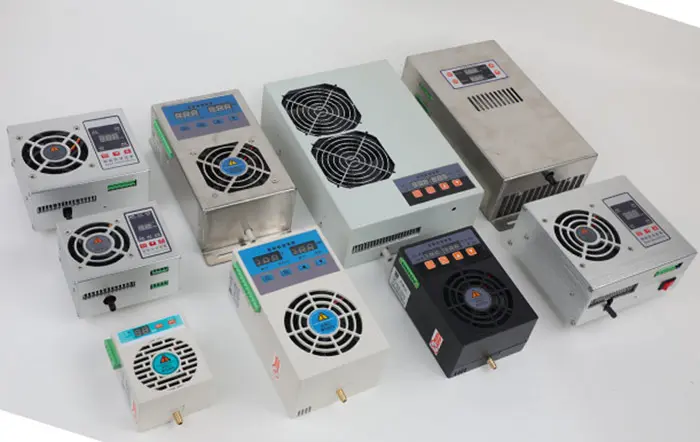
What is a Switchgear Dehumidifier?
A Switchgear Dehumidifier is designed to control humidity inside electrical cabinets and switchgear enclosures, helping protect sensitive electronic components from moisture damage. Excess humidity in cabinets can lead to condensation, short circuits, corrosion, and signal interference, which may affect the reliability and lifespan of electrical equipment.
Working Principle
A Switchgear Dehumidifier removes excess moisture inside cabinets using physical dehumidification technologies. The most common methods include condensation and adsorption.
Condensation dehumidification works by cooling humid air through a compressor or semiconductor cooling system. When the air temperature drops, water vapor condenses into droplets that are discharged from the device, leaving dry air circulating inside the cabinet.
Adsorption dehumidification uses desiccant materials to absorb moisture from the air. The desiccant is periodically regenerated to maintain continuous moisture removal.

Application Scenarios
1. Power and Electrical Cabinets
The Switchgear Dehumidifier is widely used in power distribution cabinets, switchgear panels, and control boxes to prevent condensation that could damage electrical circuits.
2. Communication and Data Equipment
In communication base stations, data centers, and network cabinets, humidity control is essential to protect servers, switches, and other electronic equipment from moisture-related failures.
3. Industrial Automation Systems
Industrial control cabinets often contain PLCs, sensors, and automation controllers. Dehumidifiers help maintain stable operating conditions despite fluctuating humidity in factory environments.
4. Outdoor Electrical Enclosures
Outdoor cabinets such as traffic control boxes, power distribution cabinets, and communication enclosures are directly exposed to weather conditions. Installing a Switchgear Dehumidifier can effectively reduce condensation risks caused by rain, temperature differences, or high humidity.
Installation and Maintenance Guidelines
Installation Considerations
Before installation, ensure the cabinet structure allows secure mounting and proper air circulation. Power wiring must follow safety regulations and should be separated from communication or signal cables to prevent interference.
For built-in units, avoid placing the device near strong heat sources or ventilation blind spots to maintain uniform dehumidification performance.
Routine Maintenance
Clean air filters periodically to prevent dust blockage;
Check drainage pipes to ensure smooth water discharge;
Replace or regenerate desiccant materials for adsorption models;
Inspect and calibrate temperature and humidity sensors if necessary;
If abnormal noise or reduced performance occurs, potential causes such as fan failure, refrigerant leakage, or desiccant degradation should be inspected promptly.
Key Factors for Selecting a Switchgear Dehumidifier
1. Dehumidification Capacity
Dehumidification capacity is typically measured in liters per day. The appropriate capacity should be selected based on cabinet size, environmental humidity, and heat generated by internal equipment.
2. Energy Consumption
Power consumption affects long-term operating costs. Energy-efficient models are recommended for cabinets that require continuous humidity control.
3. Material and Protection Level
Durable metal enclosures and high IP protection ratings are ideal for harsh or outdoor environments. Some advanced models also support communication interfaces for remote monitoring.
4. Cost and Long-Term Value
The price of dehumidifiers varies depending on capacity and features. While higher-performance models may require greater initial investment, they often provide better reliability and lower operating costs over time.