News
HOME > News

What Exactly Is a Voltage Transformer and Why Does It Matter for Modern Power Systems

2026-03-18 0 Leave me a message

In contemporary power systems, accurate voltage monitoring, safety, and measurement precision are foundational to reliability and operational integrity. A Voltage Transformer plays a central role in stepping down high voltages to standardized low levels for safe metering, protection relays, and control systems. This blog explores what voltage transformers are, how they work, their key features, types, applications, and the most common questions engineers and system designers ask today. We also introduce trusted solutions from industry leader Comewill Voltage Transformer, a China‑based manufacturer with customizable products for global power applications.

Voltage Transformer

Table of Contents


What Is a Voltage Transformer?

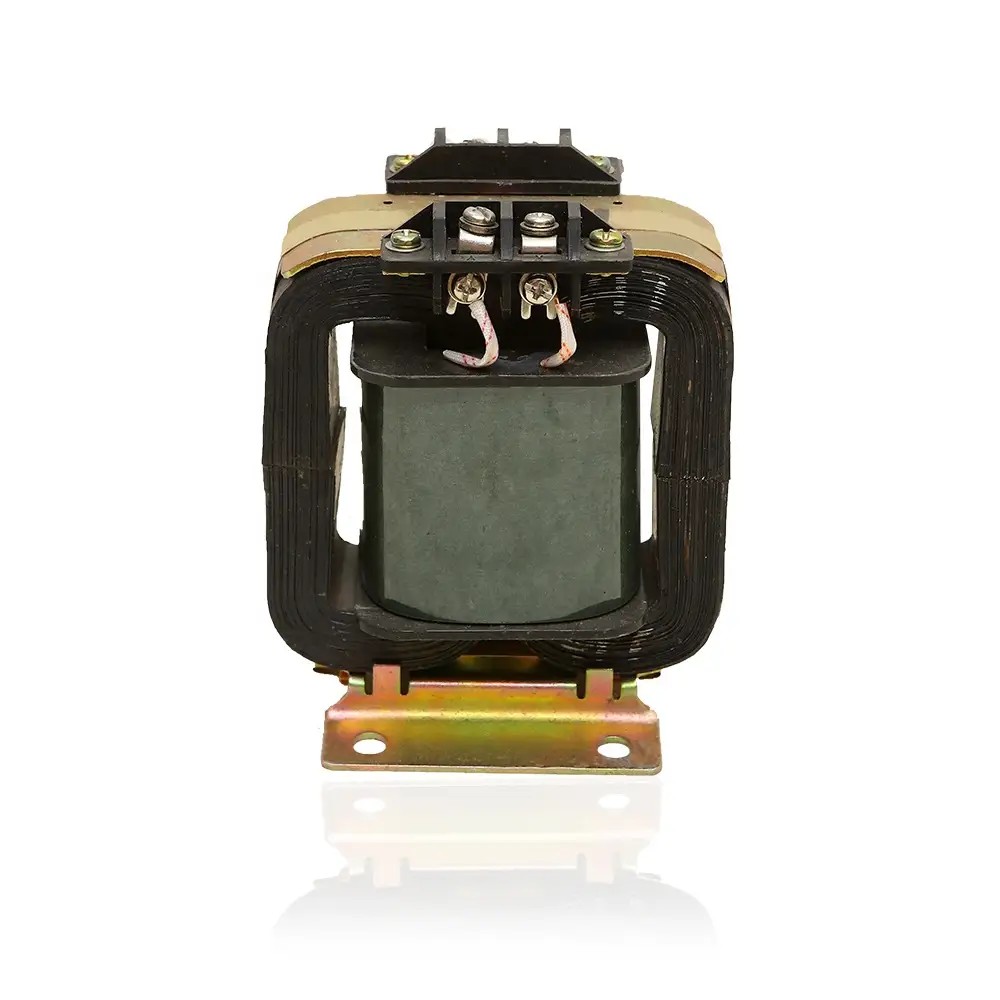
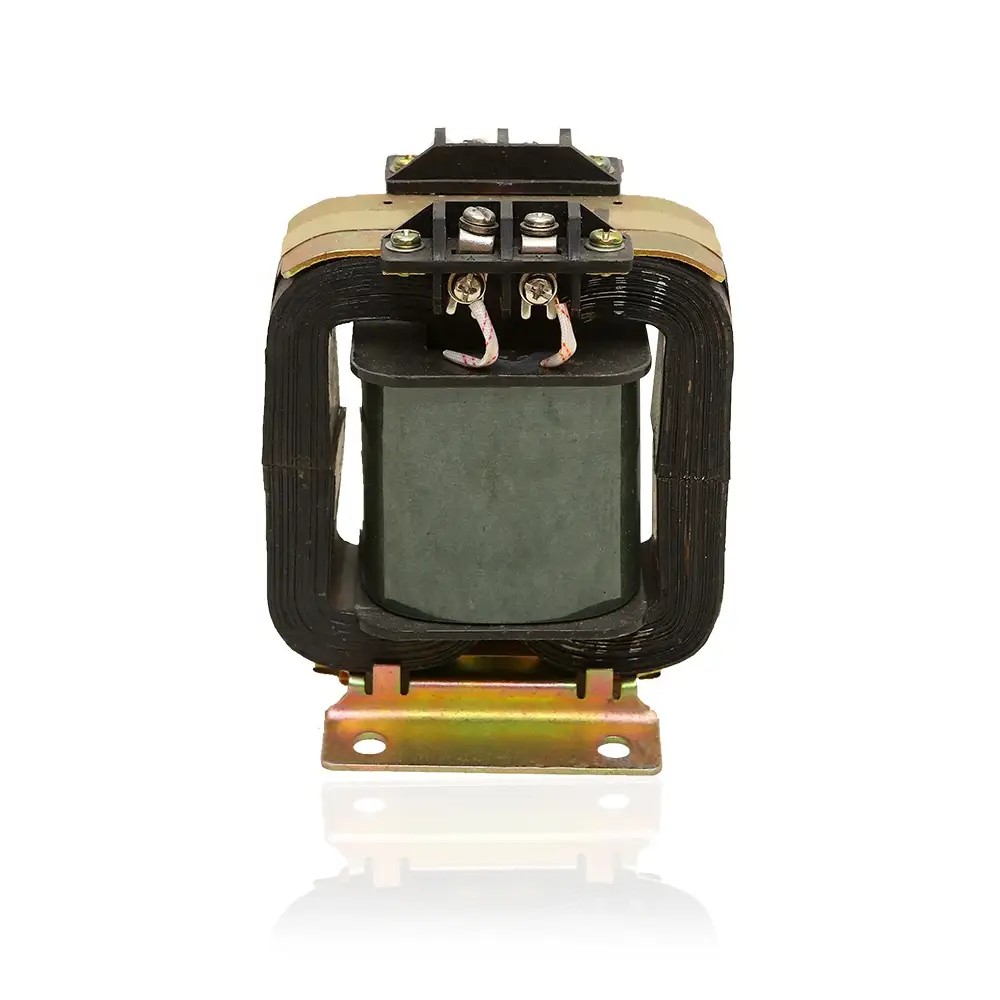
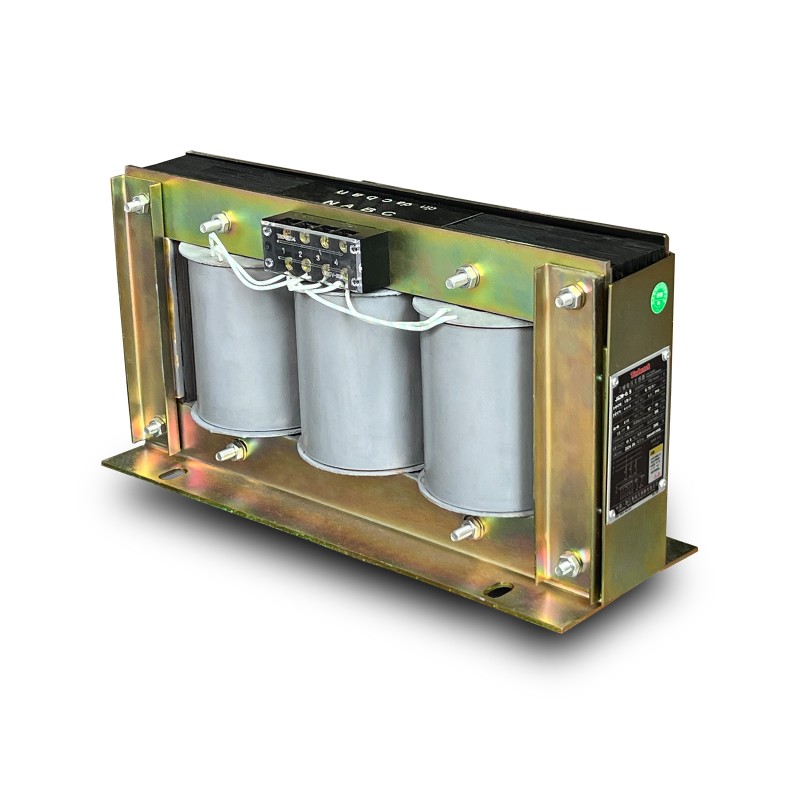
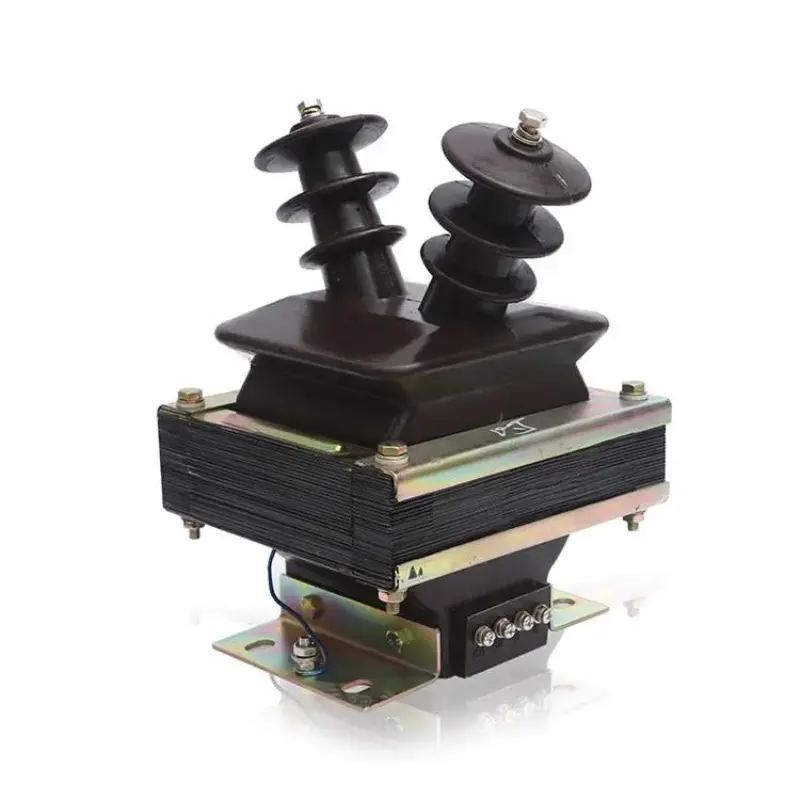
A Voltage Transformer (VT), also known as a potential transformer, is a specialized type of transformer designed to proportionally reduce high voltages from power systems into standardized, safe low voltages. Unlike large power transformers, voltage transformers have relatively low capacity but critical roles in measurement and protection.

The secondary output of a voltage transformer is typically a standard voltage used by metering devices or protective relays. This allows safe connection to instrumentation without exposing equipment or personnel to dangerous high voltages.


How Voltage Transformers Work

Voltage transformers operate on the principle of electromagnetic induction. When alternating current flows through the primary winding, it generates a magnetic field in the transformer core. This changing magnetic field induces a reduced voltage in the secondary winding proportional to the turns ratio of the transformer.

  • Primary Winding: Connected to the high‑voltage circuit.
  • Secondary Winding: Outputs a safe, standardized low voltage.
  • Turns Ratio: Determines the voltage conversion factor.

Some advanced types, such as Capacitive Voltage Transformers (CVTs) and electronic voltage transformers, incorporate capacitive dividers or sensor circuits for enhanced performance and broader frequency response.


Key Features of Voltage Transformers

Voltage transformers are engineered to address key measurement and safety demands in power systems:

Feature Description
Electrical Isolation Protects secondary instruments and operators from high‑voltage exposure.
Measurement Accuracy Provides stable voltage signals for accurate metering and protective functions.
Compact Design Low capacity and compact structures fit distribution and control panels.
Versatility Available in dry, oil‑filled, capacitive, or electronic variants for different applications.

Types of Voltage Transformers

Different application scenarios call for different types:

  • Electromagnetic Voltage Transformers: Traditional core and coil designs.
  • Capacitive Voltage Transformers (CVTs): Use capacitive dividers for high‑voltage measurement.
  • Electronic Voltage Transformers: Incorporate solid‑state sensors for precise outputs.
  • Indoor vs Outdoor: Designed for substation cabinets or exposed environments.
  • Single‑Phase vs Three‑Phase: Based on the system configuration.

Where Are Voltage Transformers Used?

Voltage transformers are indispensable in modern power systems:

  • Substations for voltage metering and protection.
  • Relay protection systems in transmission lines and distribution networks.
  • Industrial automation and energy billing meters.
  • Renewable energy systems like solar and wind installations.

Benefits of Using Voltage Transformers

Key advantages include:

  1. Improved Safety: Secondary circuits operate at low, safe voltages.
  2. Enhanced Accuracy: Reliable signals for energy measurement and monitoring.
  3. Standardization: Uniform voltage outputs simplify equipment design.
  4. Cost‑Effective Monitoring: Reduces the need for heavy‑duty instruments on high‑voltage systems.

Frequently Asked Questions

What’s the difference between a voltage transformer and a power transformer?

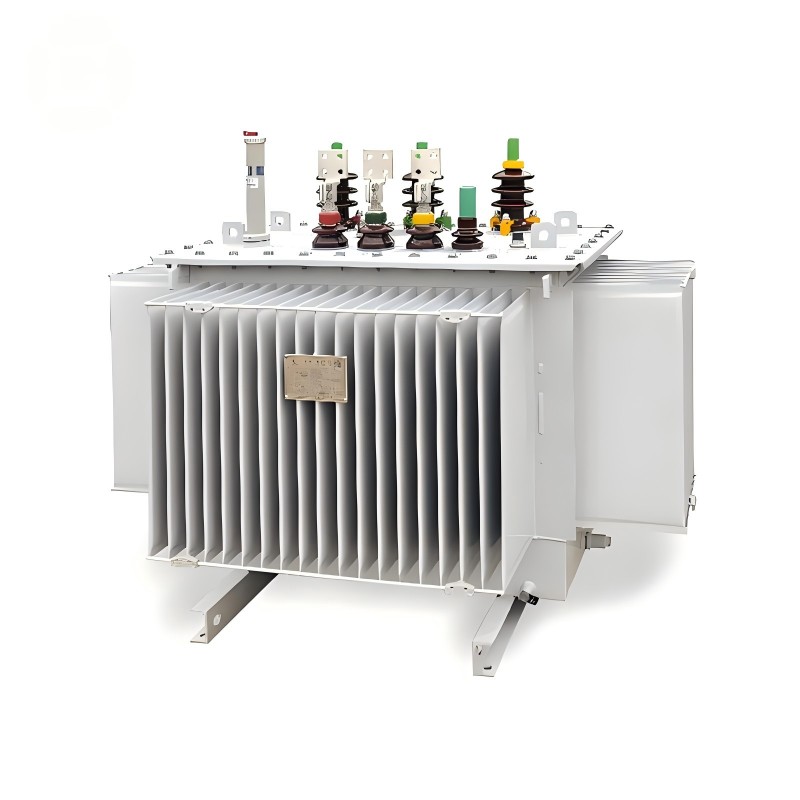
A voltage transformer is designed for measurement and protection with relatively low capacity, while a power transformer handles large energy transmission in grid networks.

Can voltage transformers be used in renewable energy systems?

Yes, they provide reliable voltage signals for monitoring and protection in solar farms and wind power installations.

Do voltage transformers require special maintenance?

Periodic inspection of insulation, grounding and connections helps maintain performance and safety in long‑term use.


Reliable Voltage Transformers for Your Power Projects

Whether you’re specifying systems for substations, industrial automation, or renewable energy monitoring, reliable devices matter. Comewill offers high‑quality, customizable Voltage Transformers built for performance and safety in medium‑ and high‑voltage applications. Contact us today to discuss your requirements and get competitive solutions that meet your technical and commercial needs — contact us for expert support!

Related News
Leave me a message
X
We use cookies to offer you a better browsing experience, analyze site traffic and personalize content. By using this site, you agree to our use of cookies. Privacy Policy
Reject Accept