Products
HOME > Products
Panel Type Fault Indicator EKL4
  • Panel Type Fault Indicator EKL4Panel Type Fault Indicator EKL4
  • Panel Type Fault Indicator EKL4Panel Type Fault Indicator EKL4
  • Panel Type Fault Indicator EKL4Panel Type Fault Indicator EKL4
  • Panel Type Fault Indicator EKL4Panel Type Fault Indicator EKL4
  • Panel Type Fault Indicator EKL4Panel Type Fault Indicator EKL4
  • Panel Type Fault Indicator EKL4Panel Type Fault Indicator EKL4

Panel Type Fault Indicator EKL4

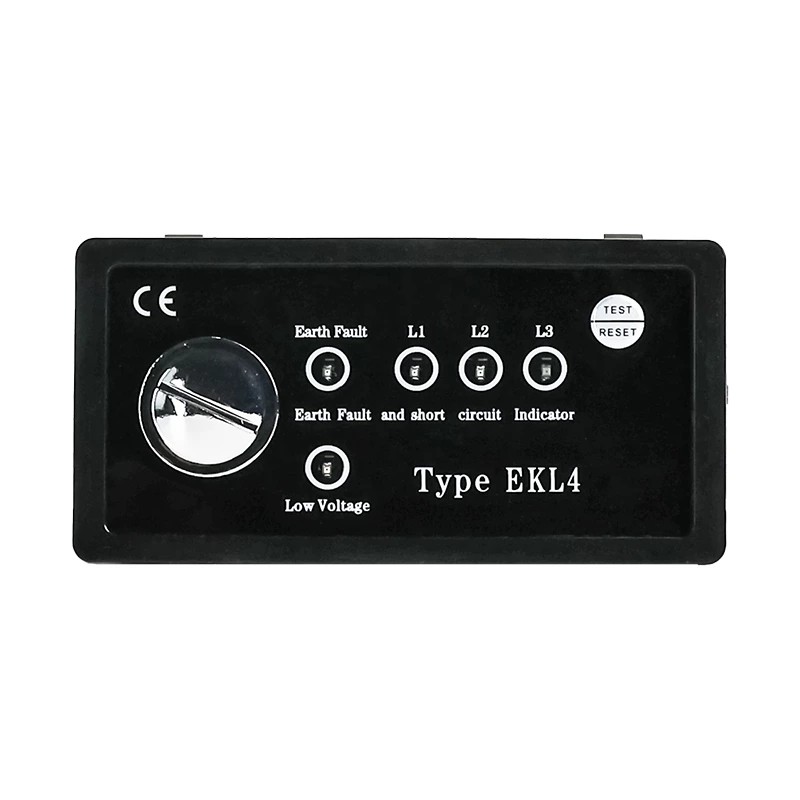
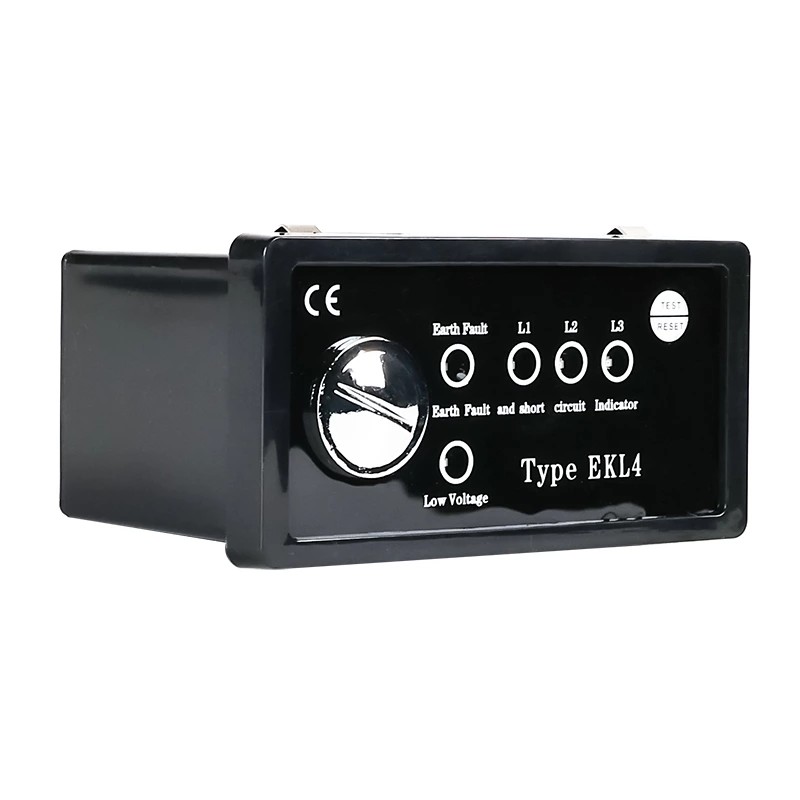
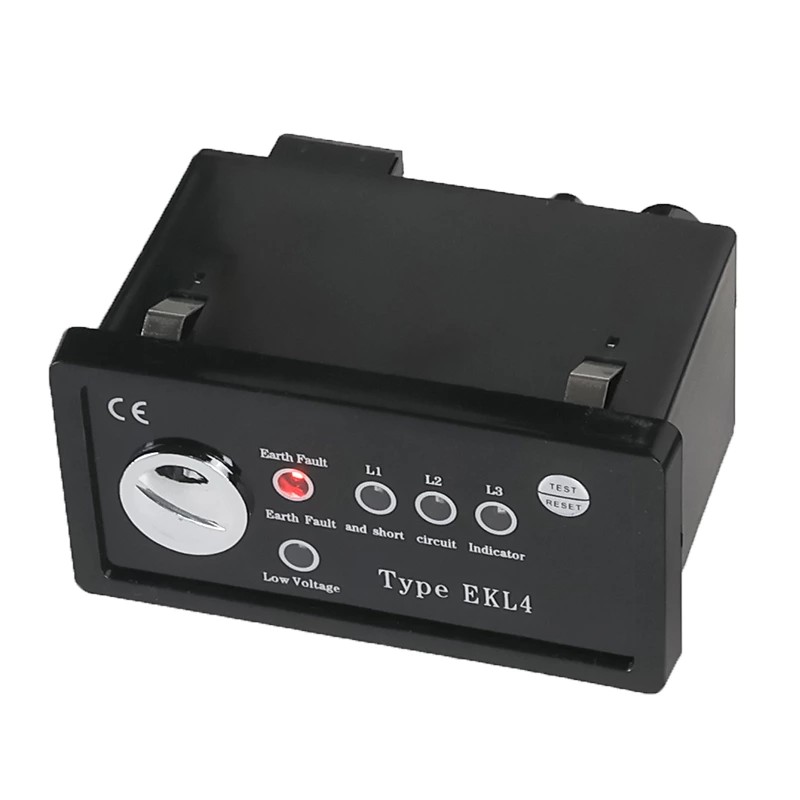
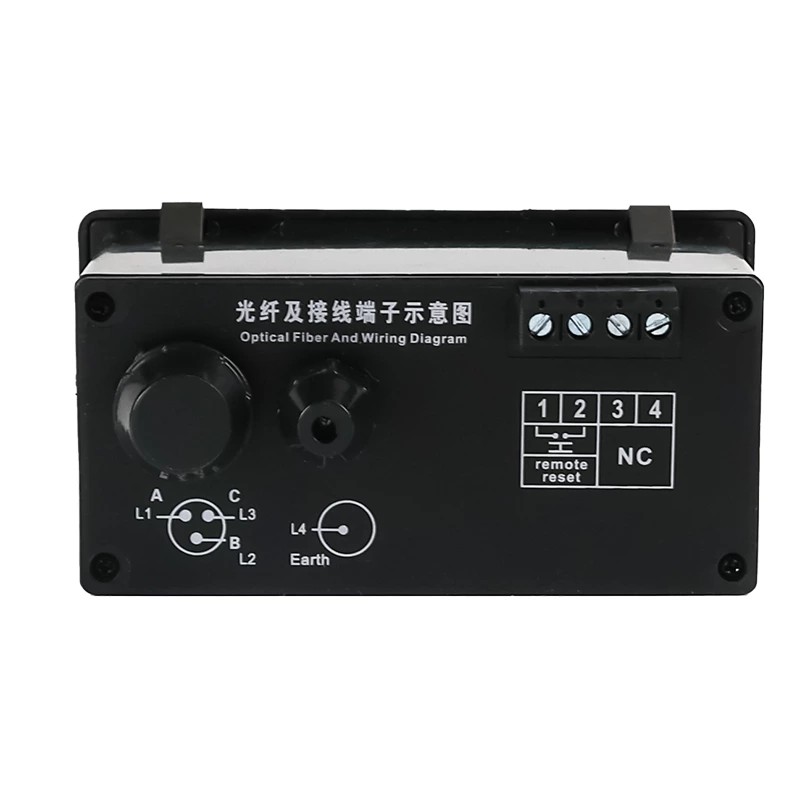
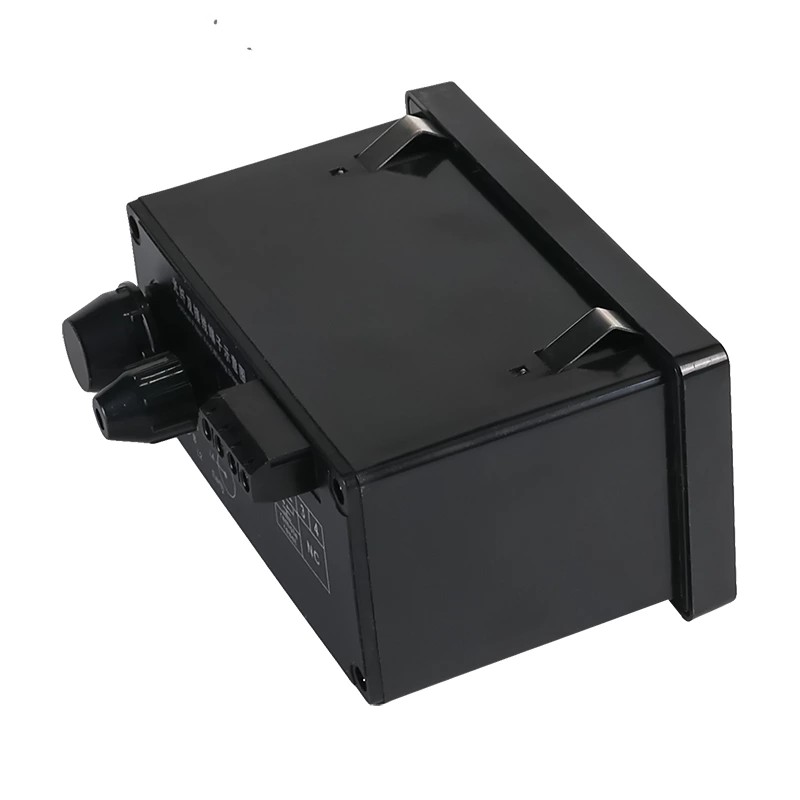
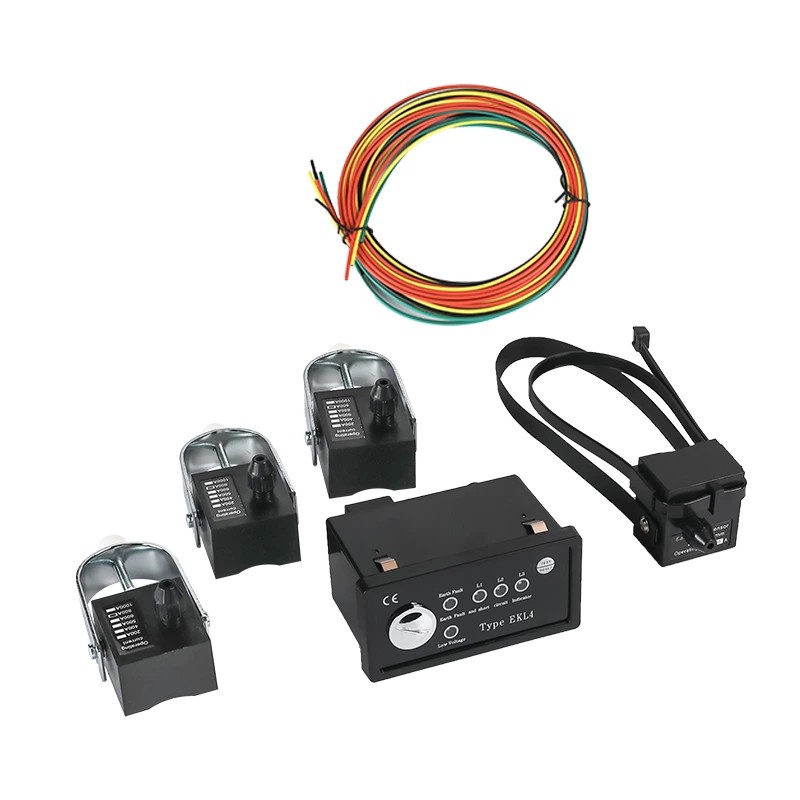
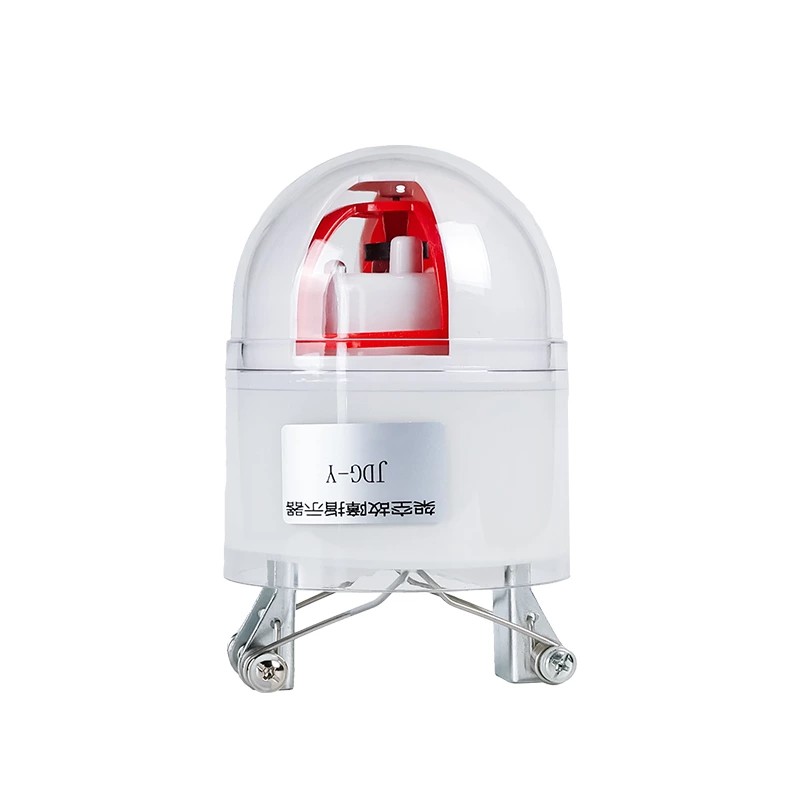
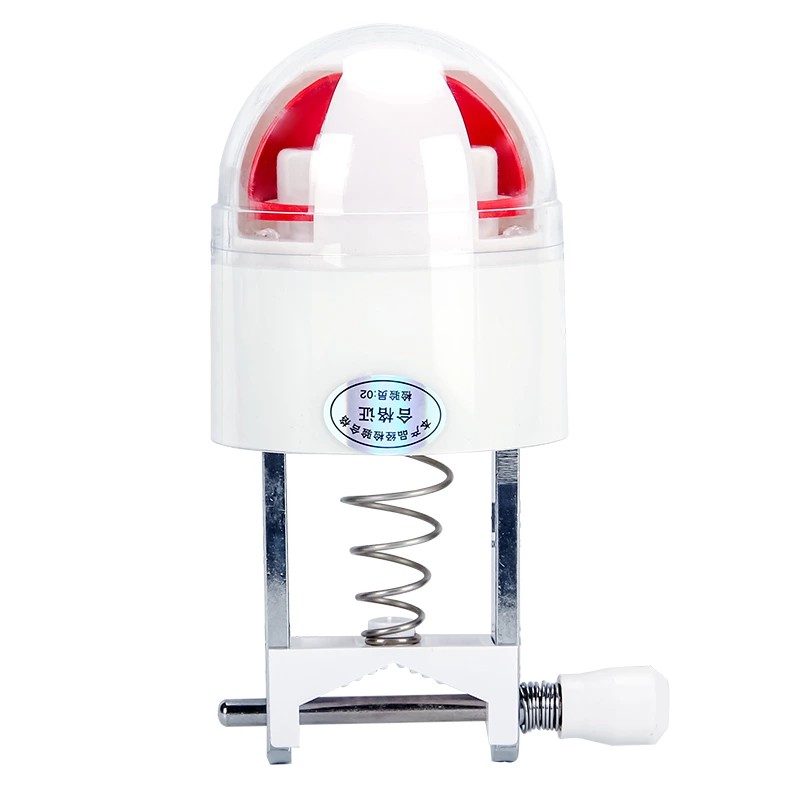
Comewill, a professional manufacturer in China, brings you the high-performance Panel Type Fault Indicator EKL4, featuring real-time current monitoring and fiber optic signal transmission. It provides adjustable threshold short-circuit and ground fault alarms, ensuring rapid response in complex environments. It also features automatic/manual reset, self-test, and low-power alarm functions for easy maintenance. We support both wholesale and customized solutions; please contact us anytime.
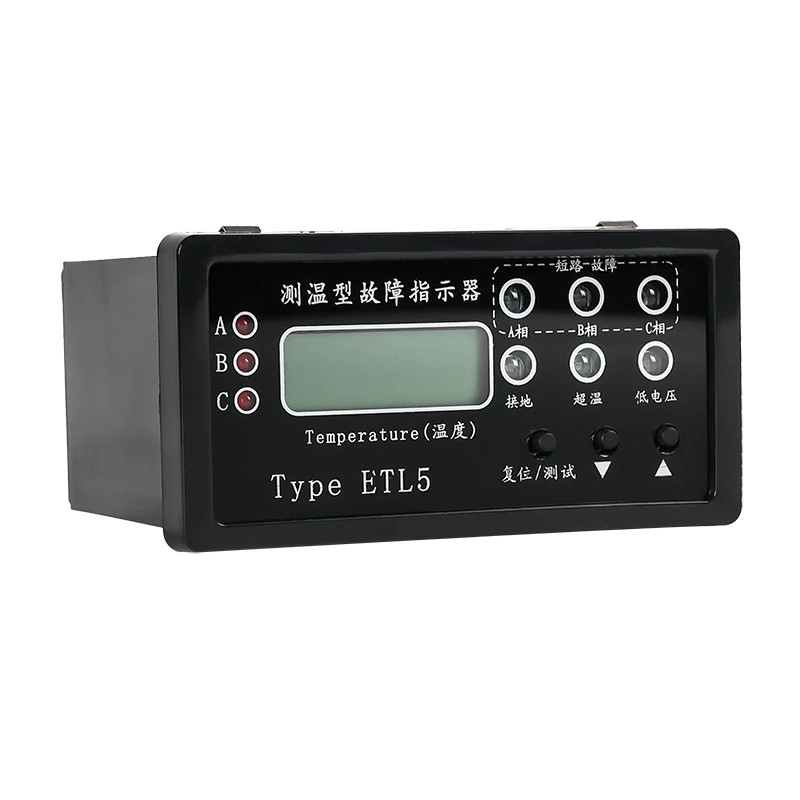
For distributed network protection equipment, choose China supplier Comewill. Our high-quality Panel Type Fault Indicator EKL4 integrates short-circuit, ground fault, and over-temperature alarms, employing high-precision sensors and fiber optic transmission for strong anti-interference and rapid response. It supports customized thresholds and multiple reset modes, and is equipped with self-test and low-voltage warning functions, significantly reducing maintenance costs.

Real-Time Alerts for Big Faults: Short-Circuit & Grounding

The biggest job this Panel Type Fault Indicator EKL4 has is catching major faults early and yelling out for us right away. That’s where the short-circuit current alarm and grounding alarm come in — they cover the two most common messes you’ll run into on high-voltage lines.

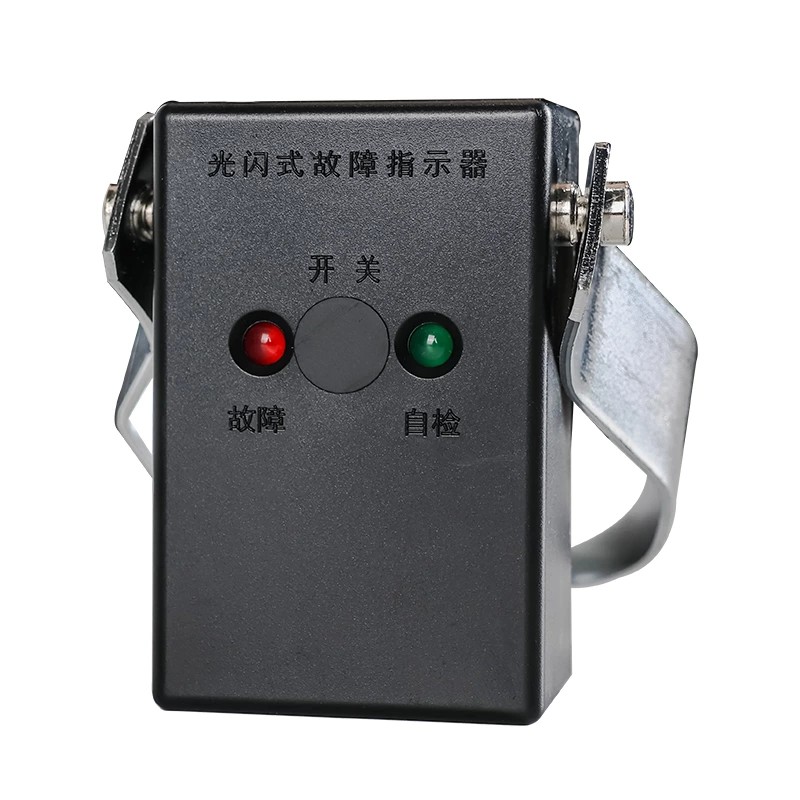
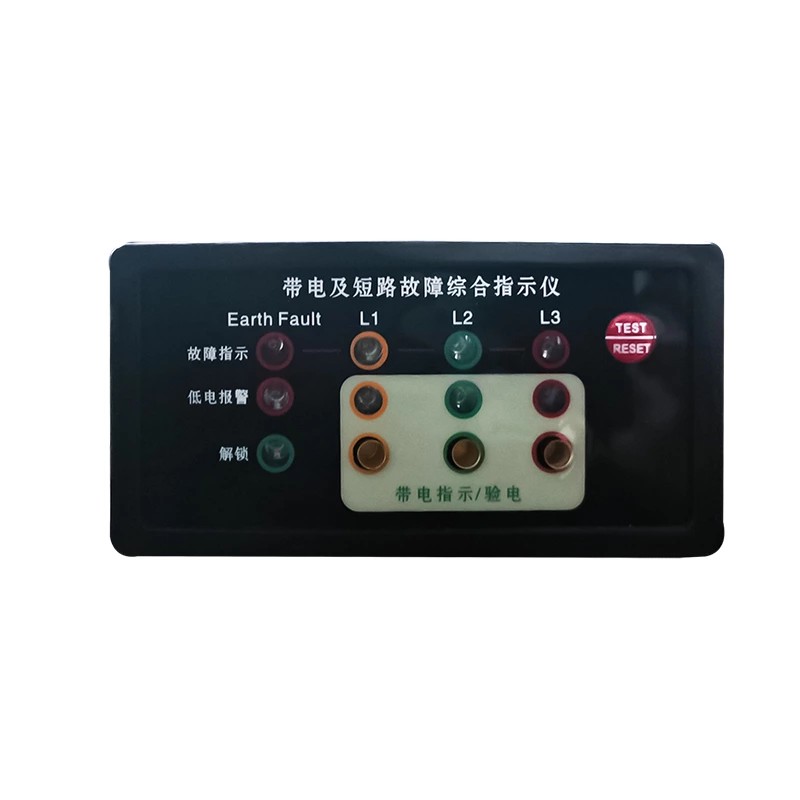
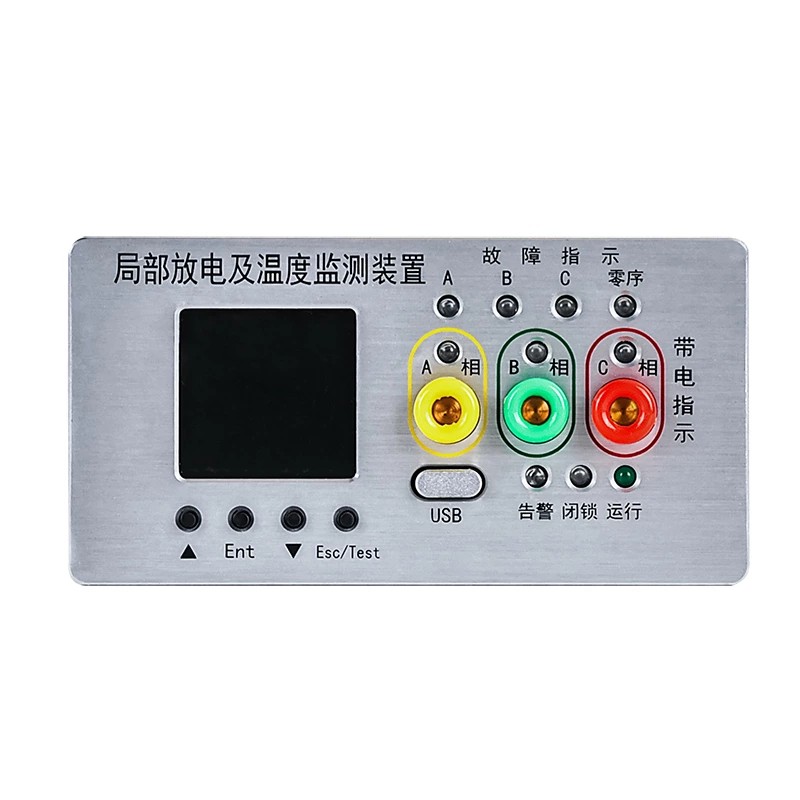
Let’s start with the short-circuit current alarm. The device has a built-in sensor that’s glued to those high-voltage cables 24/7, watching ’em while they’re running. Before it ships out, we can set the short-circuit current threshold to match exactly what the user’s system needs — no one-size-fits-all garbage here. Once the line current hits or goes over that set number, the short-circuit sensor shoots an alarm signal to the main unit right away via optical fiber. Optical fiber’s the way to go, honestly — it’s super stable and doesn’t get messed up by interference. That’s a must for those harsh outdoor spots, like construction sites where there’s all kinds of electrical noise, or remote rural power grids where the weather’s all over the place. When the main unit gets that signal, it does two things right off the bat: first, it lights up the corresponding alarm light on the panel, so us folks out in the field can see it in a split second. Second, it can send that signal straight to the central main control system. That means both the patrol team out on the line and the guys back in the office get the alert at the same time — no lag, which cuts down our response time big time.

Then there’s the grounding alarm — this one’s non-negotiable, no two ways about it. Panel Type Fault Indicator EKL4 stops electric shock risks and keeps the system from getting fried by grounding faults. The system uses special grounding sensors to keep an eye on the grounding current of the user’s cables. Just like the short-circuit threshold, the trigger value for the grounding alarm can be tweaked before delivery to fit whatever the user needs. When the current in the grounding circuit hits or goes over that set value, the grounding sensor sends an alarm to the main unit. The main unit then lights up the right alarm light, and can also shoot the signal to the main control system. This function’s a lifesaver in urban power distribution networks, where cables are all crammed together like sardines. Grounding faults here are dangerous as hell if you don’t catch ’em fast, and this alarm’s our first line of defense.

Flexible Reset Options: No Extra Hassle for Maintenance Crews

Once the alarm goes off, the reset function’s designed to be as easy as possible for us on-site teams. There are two options — automatic and manual — so it fits whatever situation we’re in out there.br>br> First up, automatic reset. Let’s be honest — maintenance teams are almost always swamped with a million things at once. If the indicator alarms but we can’t get around to resetting it manually within 8 hours, the device just resets itself automatically. This is a huge time-saver, especially for teams that have to cover big stretches of power lines. You don’t have to send someone driving out to some remote, hard-to-reach spot just to hit a reset button after the fault’s already fixed — the device takes care of it on its own.

Then there’s manual reset. If we fix the fault quick and want to clear the alarm right away, all we gotta do is press the clear button on the main unit panel. This immediate reset keeps the system status nice and clear, so we don’t get confused with new alarms later on. It’s super simple to do — no special tools, no fancy technical know-how needed. Perfect for us folks out in the field who need to keep moving and get the job done efficiently.

Self-Test Function: Make Sure It Works When We Need It Most

A device’s only good if it works when a fault actually hits — that’s why the self-test function is so crucial. This lets us check if the thing’s working right without hauling out all kinds of complicated testing gear. All you do is press and hold the clear button on the panel for 2 seconds, and it goes into self-test mode. If all the Panel Type Fault Indicator EKL4 lights on the panel start flashing, that means every part of the device is working like it should. We always recommend doing this check regularly — especially before peak power times, like summer when everyone’s running AC or winter when heaters are cranked, or after bad weather like rainstorms or snowstorms that can mess with equipment. It’s a quick check that gives us peace of mind, knowing the indicator’ll catch faults when they pop up. This is extra important in critical spots, like hospital power grids where power outages can be life-or-death, or industrial production lines where downtime costs a fortune — if the device fails there, the losses are huge.

Low Battery Alarm: Avoid Unexpected Shutdowns

The low battery (low voltage) alarm is easy to overlook, but it’s key to keeping the device running non-stop. A lot of fault indicators run on batteries, especially in areas where you can’t easily tap into power. This function watches the battery level in real time. When the battery voltage drops too low, the device triggers a low battery alarm — usually with a specific indicator light on the panel. This gives us plenty of time to swap out the battery before the device dies unexpectedly. Imagine if the thing shuts down ’cause the battery’s dead and misses a fault — that could lead to long power outages, or even safety risks. This function saves us from that hassle, especially in remote areas where driving out just to check battery levels takes forever.

How All These Functions Work Together in Real Work

None of these functions work alone — They all team up to make power line maintenance easier and safer. Let’s use an urban underground cable network as an example. If a grounding fault happens, the grounding sensor picks it up right away and sends an alarm to the main unit. The main unit then alerts both us out in the field and the control center. We find the fault, fix it up, then hit the manual reset button to clear the alarm. Before we pack up and leave, we do a quick self-test to make sure the device’s still working. If we forget to reset it, the automatic reset kicks in after 8 hours, so no big deal. And if the battery’s running low, the low battery alarm lets us know to replace it next time we’re in the area. This smooth workflow covers every step of handling a fault, saving us time and cutting down on stupid human errors.

TECHNICAL PARAMETER

Short circuit alarm 50~1000A(factory adjustable)Error±5%,factory output:600A
Short circuit overcurrent response time 0.03-5S(factory adjustable),factory:0.25
Grounding alarm 10-100A(factory adjustable)Error±10%,factory output:20A
Ground overcurrent response time 0.03S~55(factory adjustable),factory:0.25
Over temperature alarm 20~80℃(factory adjustable)Error±1℃,ex factory:80℃
Dry contact capacityfor over temperature tripping 230V/AC-0.1A,30V/DC-1A
Short circuit grounding remote relay 230V/AC-0.1A,30V/DC-1A
Over temperature alarm Relay outputs 3 cycles (2 seconds each)Set to 750mS,reset to 1250mS)
Automatic reset time 75~45h (factory adjustable),factory time:8h
Standby current ≤5μA
Voltage level Below 20KV
Ability to withstand current 31.5KA/4S
Static power consumption ≤10μw
Action count ≥4000 times
Battery capacity 3.6 Lithium battery 2Ah
Reminder protection level Host IP40,sensor Ip65
work environment -25℃~+75℃
≤95%RH(without condensation)
≤1000 meters
Hot Tags: Panel Type Fault Indicator EKL4, China, Manufacturer, Supplier, Factory, Wholesale, Customized, in Stock, Made in China, Low Price, Quality
Send Inquiry
Contact Info
Send an inquiry to Comewill for switchgear, vacuum circuit breakers, current transformer. Get customized quotes, low prices or expert support from our China factory team.
X
We use cookies to offer you a better browsing experience, analyze site traffic and personalize content. By using this site, you agree to our use of cookies. Privacy Policy
Reject Accept